Nylon und Polypropylen sind zwei der in der Fertigung am häufigsten verwendeten Thermoplaste. Auch wenn sie auf den ersten Blick ähnlich erscheinen mögen, unterscheiden sich ihre Eigenschaften, Kosten und idealen Anwendungsbereiche erheblich.
Materialübersicht
Nylon (Polyamid) ist ein technischer Thermoplast, der für seine Festigkeit, Zähigkeit und Hitzebeständigkeit bekannt ist. Polypropylen (PP) ist ein gängiger Thermoplast, der wegen seiner chemischen Beständigkeit, seiner geringen Dichte und seiner Wirtschaftlichkeit geschätzt wird.
Die wichtigsten Unterschiede bei den Immobilien auf einen Blick
| Eigentum | Nylon (PA6) | Polypropylen (PP) |
|---|---|---|
| Dichte (g/cm³) | 1.13-1.15 | 0.90-0.91 |
| Zugfestigkeit (MPa) | 70-85 | 25-40 |
| Schmelzpunkt (°C) | 220 | 160-170 |
| Kosten pro kg (relativ) | $$$ | $ |
Mechanische Leistung
Nylon übertrifft Polypropylen hinsichtlich der mechanischen Eigenschaften deutlich. Nylon weist eine 2- bis 3-mal höhere Zugfestigkeit und eine wesentlich höhere Steifigkeit auf.
Ermüdungs- und Verschleißfestigkeit
Nylon zeichnet sich durch eine hervorragende Ermüdungsbeständigkeit und selbstschmierende Eigenschaften aus, wodurch es sich ideal für Zahnräder, Lager und bewegliche Teile eignet.
Thermische Eigenschaften
Nylon behält seine mechanischen Eigenschaften bei deutlich höheren Temperaturen als Polypropylen bei. Während PP bei etwa 100 °C weich wird, kann Nylon (insbesondere PA66) dauerhaft bei 100–120 °C eingesetzt werden.
Chemische Beständigkeit
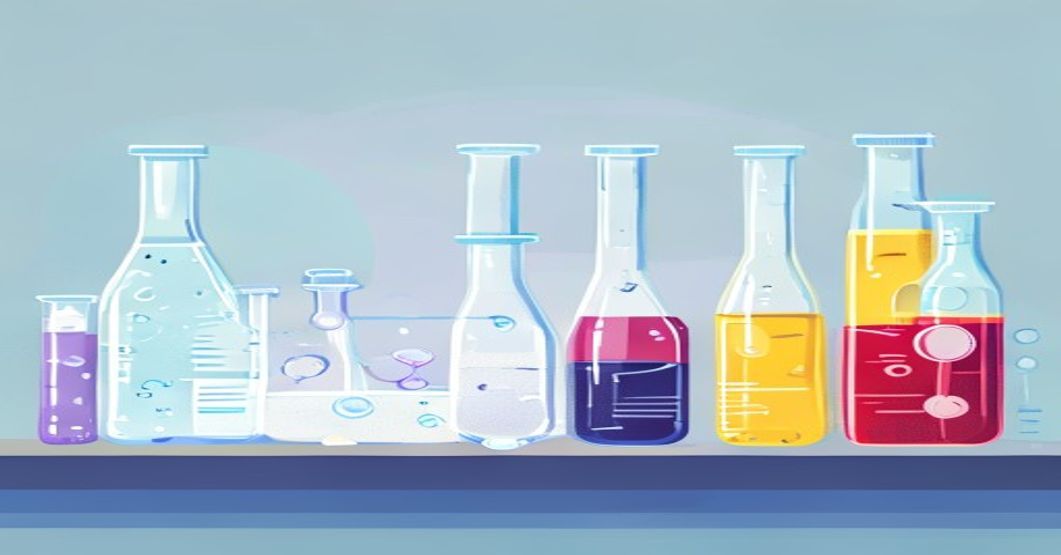
Hier spielt Polypropylen seine Stärken aus. PP weist eine hervorragende Beständigkeit gegenüber Säuren, Laugen und vielen organischen Lösungsmitteln auf. Nylon ist anfällig gegenüber starken Säuren und bestimmten Lösungsmitteln.
Feuchtigkeitsverhalten
Polypropylen ist nahezu hydrophob – es nimmt so gut wie kein Wasser auf. Nylon hingegen nimmt Feuchtigkeit aus der Umgebung auf, was zu Maßänderungen führen kann.
Verarbeitung und Fertigung
Spritzgießen
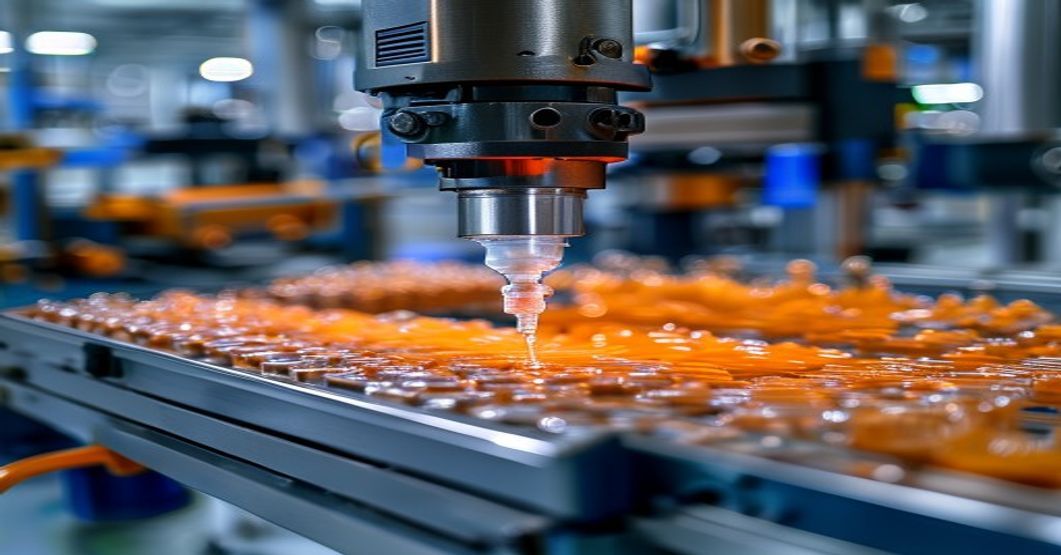
Beide Werkstoffe lassen sich gut im Spritzguss verarbeiten: PP bei 200–250 °C mit kürzeren Zykluszeiten; Nylon bei 230–300 °C, wobei eine sorgfältige Trocknung erforderlich ist.
Überlegungen zur Konstruktion von Bauteilen
Polypropylen weist eine höhere Schrumpfung (1,5–2,51 TP3T) auf als Nylon (0,8–1,51 TP3T), weshalb großzügigere Entformungswinkel erforderlich sind.
Kostenanalyse
Polypropylen ist einer der kostengünstigsten verfügbaren Thermoplaste und kostet pro Kilogramm in der Regel 50–70% weniger als Nylon.
Anwendungsleitfaden
Wählen Sie Nylon, wenn:
- Es ist eine hohe mechanische Festigkeit erforderlich
- An einigen Bauteilen werden erhöhte Temperaturen auftreten
- Verschleißfestigkeit ist wichtig
- Anwendungsbereiche: Automobilkomponenten, Elektrowerkzeuge, Industriegetriebe
Wählen Sie Polypropylen, wenn:
- Chemikalienbeständigkeit hat oberste Priorität
- Die Kosten sind der wichtigste Faktor
- Der Kontakt mit Feuchtigkeit lässt sich nicht vermeiden
- Anwendungsbereiche: Chemikalienbehälter, Living-Hinges, Lebensmittelverpackungen
Unser Leistungsvermögen
Mit über 300 CNC-Maschinen, produzieren wir mehr als 10.000 Stück täglich mit so engen Toleranzen wie ±0,005 mm. Wir akzeptieren MOQ ab 1 Stück, mit Lieferzeiten von 24 Stunden bis 15 Tage. Erhalten Sie innerhalb von 24 Stunden ein Angebot.
Nylon vs Polypropylene: Practical Selection Table
| Anforderung | Nylon | Polypropylen |
|---|---|---|
| Strength and stiffness | Usually higher for load-bearing engineering parts | Lower density with useful fatigue flexibility |
| Feuchtigkeit | Absorbs moisture; condition and inspect dimensions | Very low water absorption but different creep behavior |
| Wear and heat | Useful wear and temperature options by grade | Good chemical resistance and living-hinge behavior |
| Processing choice | Dry resin and control shrinkage, flow and fiber orientation | Control shrinkage, weld lines and cooling balance |
Choose the resin from the service environment and inspection plan, not from tensile strength alone. Confirm moisture, temperature, chemical exposure, cycle life and allowable dimensional change on the finished part.
FAQ
Woher wissen Sie, ob „Nylon vs. Polypropylen: Leitfaden zur Materialauswahl für technische Anwendungen“ zu einem Bauteil passt?
Nylon vs. Polypropylen: Leitfaden zur Materialauswahl für technische Anwendungen – Ein Bauteil ist geeignet, wenn seine Belastbarkeit, sein Temperaturbereich, seine Feuchtigkeitsbeständigkeit, sein Verschleißverhalten und sein Verarbeitungsverfahren den tatsächlichen Einsatzbedingungen entsprechen.
Welche Eigenschaften sollten bei Nylon und Polypropylen verglichen werden: Leitfaden zur Materialauswahl für technische Anwendungen?
Prüfen Sie Festigkeit, Steifigkeit, Schlagfestigkeit, Hitzebeständigkeit, Feuchtigkeitsaufnahme, Formstabilität, Reibung, Verschleiß und chemische Verträglichkeit.
Was ist das größte Auswährungsrisiko bei der Wahl zwischen Nylon und Polypropylen: Leitfaden zur Materialauswahl für technische Anwendungen?
Das größte Risiko besteht darin, sich auf einen Wert aus dem Datenblatt zu verlassen, ohne die tatsächlichen Umgebungsbedingungen, das Verarbeitungsverfahren, die Bauteilgeometrie und die langfristige Nutzung zu berücksichtigen.
Wann sollte „Nylon vs. Polypropylen: Leitfaden zur Materialauswahl für technische Anwendungen“ vor der Produktion getestet werden?
Prüfungen werden empfohlen, wenn das Bauteil Belastungen, Hitze, Chemikalien, Feuchtigkeit, engen Toleranzen, gesetzlichen Anforderungen oder einer neuen Betriebsumgebung ausgesetzt ist.