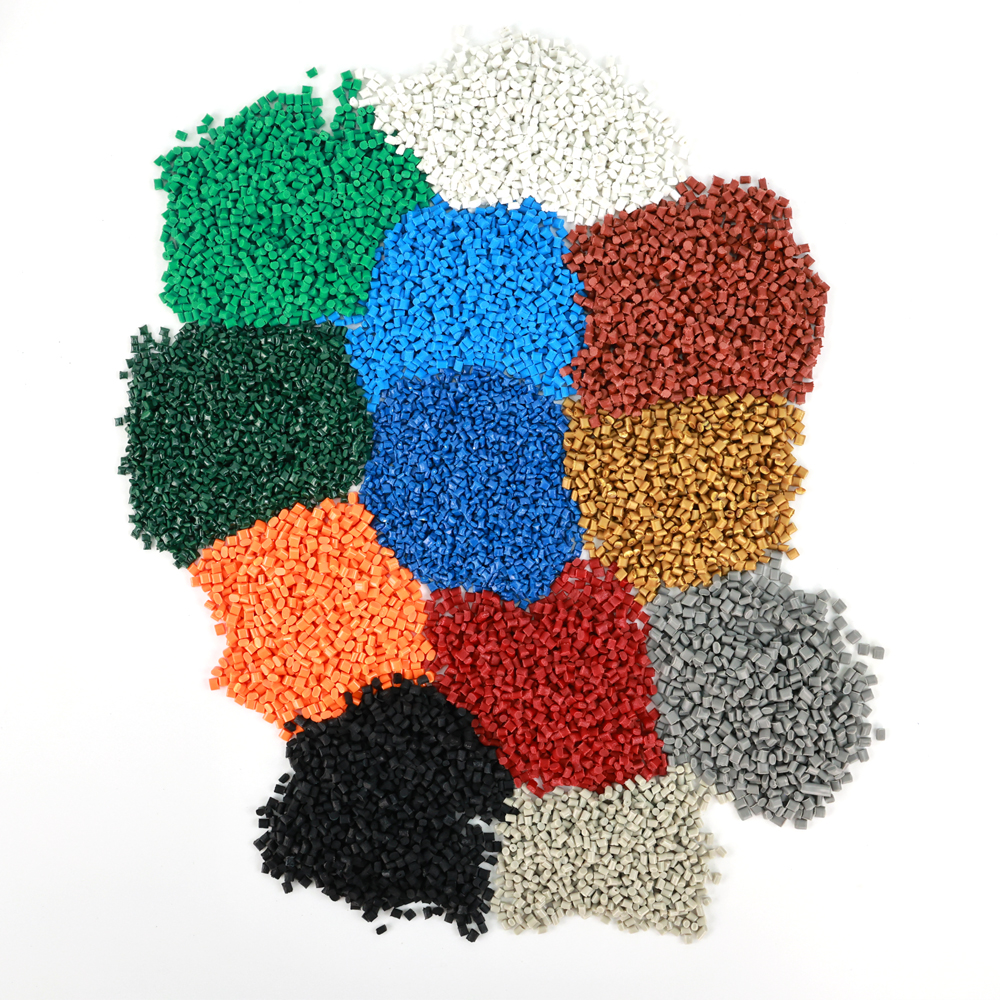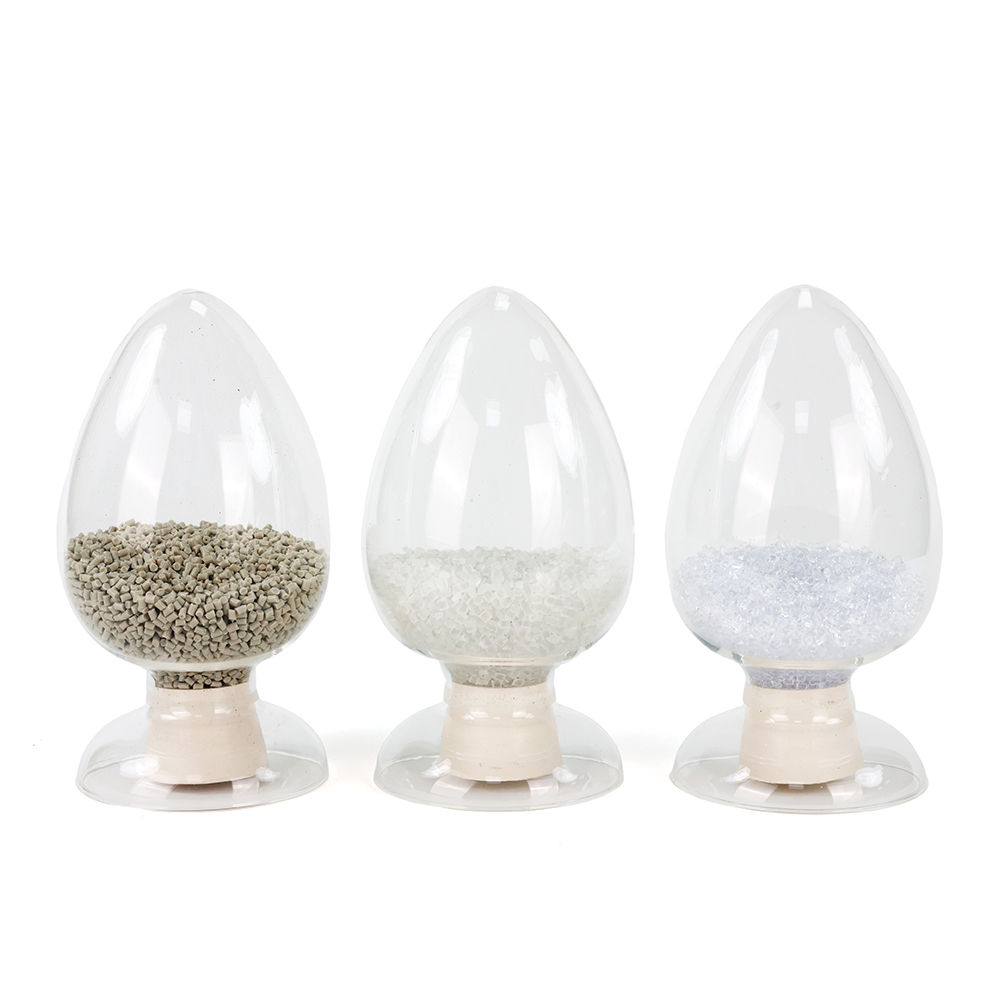
Glasfaserverstärktes vs. unverstärktes Nylon ist eine gängige Konstruktionsentscheidung, wenn es darum geht, Steifigkeit, Schlagverhalten und Formbarkeit in Einklang zu bringen.
For GF15, GF30 and higher reinforcement levels, use our glass-filled nylon grade guide; this page focuses on whether reinforcement is needed in the first place.

Durch die Beimischung von Glasfasern zu Nylon verändern sich dessen Leistungseigenschaften erheblich. Während ungefülltes Nylon eine hervorragende Zähigkeit und Verarbeitbarkeit aufweist, bieten glasfaserverstärkte Typen eine deutlich höhere Festigkeit, Steifigkeit und thermische Stabilität.
Für Entwicklungs- und Beschaffungsteams
Muss dieses Nylonbauteil mit Glasfasern verstärkt werden?
Glasfaserverstärktes Nylon erhöht die Steifigkeit und die Maßhaltigkeit, kann jedoch die Schlagzähigkeit verringern, die Schrumpfung verändern und den Verschleiß der Form erhöhen. Verwenden Sie eine Verstärkung nur dann, wenn die Zeichnung und der Belastungsfall dies rechtfertigen.
- Verwenden Sie ungefülltes Nylon für höhere Zähigkeit, Schnappverbindungen und glattere Oberflächen
- Verwenden Sie glasfaserverstärktes Nylon, um Steifigkeit, Kriechverhalten und strukturelle Belastungen zu gewährleisten
- Faserrichtung, Angussposition, Verzug und optische Bereiche gemeinsam prüfen
Eine Vergleichsanalyse zu gefülltem und ungefülltem Nylon anfordern → Nylon-Spritzgussdienstleistungen anzeigen
Was ist glasfaserverstärktes Nylon?
Glasfaserverstärktes Nylon ist ein Verbundwerkstoff, der aus mit kurzen Glasfasern verstärktem Nylonharz besteht. Die gängigsten Typen enthalten 15%-, 25%-, 30%- oder 50%-Glasfasern, bezogen auf das Gewicht.
Vergleich der mechanischen Eigenschaften
| Eigentum | PA6, ungefüllt | PA6 GF15 | PA6 GF30 | PA6 GF50 |
|---|---|---|---|---|
| Zugfestigkeit (MPa) | 75 | 120 | 170 | 210 |
| Biegemodul (GPa) | 2.7 | 5.5 | 8.5 | 14.0 |
| HDT bei 1,8 MPa (°C) | 65 | 180 | 195 | 210 |
Dimensionsstabilität
Glasfasern senken den linearen Wärmeausdehnungskoeffizienten (CLTE) des Werkstoffs um 50–70%, wodurch er sich dem von Metallen wie Aluminium annähert.
Überlegungen zur Verarbeitung
Glasfaserverstärktes Nylon erfordert: höhere Schmelztemperaturen, höhere Einspritzdrücke, aufgrund von abrasivem Verschleiß gehärtete Formen sowie eine sorgfältige Gestaltung der Angusskanäle zur Gewährleistung der Faserorientierung.
Kostenaspekte
GF30 bietet für die meisten Anwendungen das beste Preis-Leistungs-Verhältnis. Es ist der am häufigsten verwendete glasfaserverstärkte Typ.
Anwendungsleitfaden
Wählen Sie ungefülltes Nylon, wenn:
- Schlagfestigkeit und Zähigkeit sind entscheidend
- Die Teile müssen eine gute Oberflächenbeschaffenheit aufweisen
- Es sind Schnappverbindungen oder flexible Scharniere erforderlich
- Die Kosten stehen im Vordergrund
Wählen Sie glasfaserverstärktes Nylon in folgenden Fällen:
- Es sind hohe Festigkeit und Steifigkeit erforderlich
- Die Dimensionsstabilität bei Hitze ist von entscheidender Bedeutung
- Das Ziel ist der Ersatz von Metall
- Präzisionstoleranzen müssen eingehalten werden
Unser Leistungsvermögen
Mit über 300 CNC-Maschinen, produzieren wir mehr als 10.000 Stück täglich mit so engen Toleranzen wie ±0,005 mm. Wir akzeptieren MOQ ab 1 Stück, mit Lieferzeiten von 24 Stunden bis 15 Tage. Wir liefern Nylon in allen Qualitäten – ungefüllt, GF15, GF30 und GF50. Erhalten Sie innerhalb von 24 Stunden ein Angebot.
Welche Nylonkunststoffe lassen sich für dieses Projekt individuell anpassen?
Nylon Plastic verbindet Materialmodifikation mit Produktdesign, Formenbau, Spritzguss, CNC-Bearbeitung und 3D-Druck. Der geeignete Anwendungsbereich wird anhand der Zeichnung und der Einsatzbedingungen ausgewählt und nicht anhand einer allgemeinen Materialbezeichnung festgelegt.
| Anpassungsbereich | Zu prüfende Optionen | Benötigte Informationen |
|---|---|---|
| Nylon-Familie | PA6, PA66, PA12 und geeignete verstärkte Alternativen | Anforderungen hinsichtlich Hitze, Feuchtigkeit, Stößen, Verschleiß und Kosten |
| Verstärkung | Überprüfung von unverstärkten, mäßig glasverstärkten oder höherfesten Typen | Durchbiegungsgrenze, Belastungsrichtung und Anforderungen an die Oberfläche |
| Teileauslegung | DFM für Rippen, Vorsprünge, Einlasskanäle, Formschrägen, Verzug und Schnappverbindungen | CAD, zusammenpassende Teile, optische Bereiche und kritische Toleranzen |
| Produktionspaket | Materialprüfung, Formenbau, Spritzguss und Prüfplanung | Probenmenge, Jahresvolumen und erforderliche Aufzeichnungen |
Checkliste für Angebotsanfragen
- Aktuelles Material und der Grund, warum eine Änderung in Betracht gezogen wird
- Belastung, Stöße, Hitze, Feuchtigkeit und Verschleißbedingungen
- Kritische Maße, Ebenheit und Oberflächenanforderungen
- Einschränkungen hinsichtlich der Anschlüsse oder Schweißnähte sowie Informationen zur Montage
- CAD, Stückzahl, Jahresvolumen und angestrebte Lebensdauer der Werkzeuge
Die Unterstützung bei der Fertigungsgestaltung (DFM), Vereinbarungen zur Geheimhaltungserklärung (NDA), Unterlagen zu Werkstoffen oder Zusammensetzungen sowie Prüfvorgaben können im Rahmen der Angebotserstellung besprochen werden. Die Verfügbarkeit hängt vom Projektumfang und dem vereinbarten Qualitätsplan ab.
Von der Prüfung bis zur Produktion
- Definition: die Zeichnung, die Anwendung, die Umgebung und das Volumen gemeinsam nutzen.
- Rezension: Vergleich der Risiken in Bezug auf Material, Prozess, DFM und Validierung.
- Überprüfen: Verwenden Sie gegebenenfalls Muster, 3D-Druck, CNC-Bearbeitung oder Prototypenwerkzeuge.
- Erzeugnisse: die Werkzeuge oder die Produktion erst freigeben, nachdem die vereinbarten Prüfungen abgeschlossen sind.
Where PA6-GF20 Fits in the Selection
Buyers often compare only unfilled nylon with a 30% glass grade, but the intermediate loading can be the better production choice. PA6-GF20 is worth evaluating when an unfilled grade deflects or shrinks too much, while the cost, brittleness, surface texture, fiber orientation, or tooling burden of a higher loading is not justified.
| Decision | Unfilled PA6 | PA6-GF20 | PA6-GF30 |
|---|---|---|---|
| Primary reason to select | Toughness, fatigue, wear, and surface quality | Balanced stiffness, shrinkage control, and moldability | Higher stiffness and lower directional shrinkage |
| Typical tradeoff | More deflection and moisture-driven movement | Moderate anisotropy and visible fiber texture | More warpage sensitivity, brittleness, abrasion, and cost |
| Validation focus | Conditioned fit, creep, and impact | Gate direction, weld lines, warpage, and conditioned dimensions | Flow orientation, local stress, tool wear, and critical surface acceptance |
Compare the exact matrix and grade in the expected moisture condition. A PA6-GF20 result should not be substituted directly for PA66-GF20, and a headline dry tensile value should not replace molded-part testing. For a higher loading, review the PA6-GF30 product route; for a different reinforcement family, use the PA6-CF30 route only when its specific stiffness or other qualified benefit is required.
Häufig gestellte Fragen
Kann der Glasfaseranteil an das Bauteil angepasst werden?
Das Team kann verschiedene Verstärkungsgrade prüfen, doch die Wahl sollte sich nach Durchbiegung, Stoßfestigkeit, Verformung, Fließlänge, Optik und Werkzeugverschleiß richten, anstatt standardmäßig den höchsten Prozentsatz zu wählen.
Ist ungefülltes Nylon besser für Steckverbindungen und bei Stoßbelastungen geeignet?
Häufig liegt dies daran, dass ungefülltes Nylon im Allgemeinen eine höhere Duktilität aufweist. Die richtige Antwort hängt von der Dehnung des Trägers, der Konditionierung, der Wandstärke, den Montagezyklen und der genauen Harzsorte ab.
Lassen sich Farbe und Oberflächenbeschaffenheit bei glasfaserverstärktem Nylon steuern?
Farbe und Formtextur können überprüft werden, jedoch können freiliegende Fasern und die Fließrichtung das erzielbare Erscheinungsbild einschränken. Geben Sie in der Angebotsanfrage die optischen Bereiche und die zugelassenen Referenzmuster an.
Welche Informationen werden für eine Überprüfung des Vergleichs zwischen „gefüllt“ und „ungefüllt“ benötigt?
Bitte senden Sie uns die CAD-Datei und die Zeichnung, die aktuelle Güteklasse, die Belastung und die Umgebungsbedingungen, kritische Passungen, die Anforderungen an das Erscheinungsbild, das jährliche Volumen sowie etwaige vorhandene Daten zu Ausfällen oder Verformungen.
Weiterführende Lektüre
- Langes glasfaserverstärktes und kurzes glasfaserverstärktes Nylon: Vollständiger Leistungsleitfaden
- UV-stabilisiertes Nylon: Vollständiger Leitfaden zur Witterungsbeständigkeit im Freien
- PA6-Nylon: Der vollständige Leitfaden zu Eigenschaften, Anwendungen und Modifikationen
Auf einen Blick
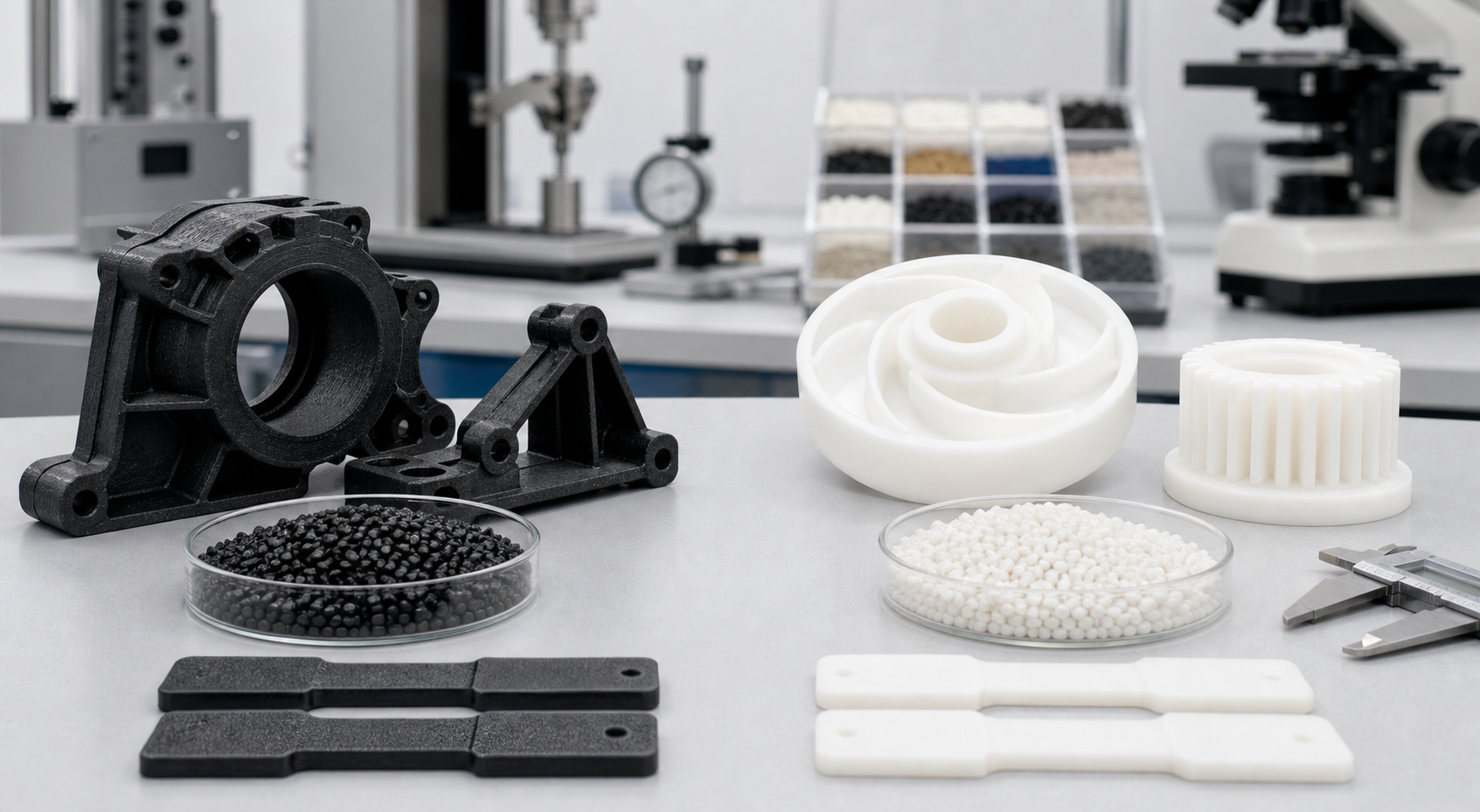
| Entscheidungspunkt | Glasfaserverstärktes Nylon | Ungefülltes Nylon | Hinweis für Käufer |
|---|---|---|---|
| Steifigkeit | Höher | Unter | Verwenden Sie GF, wenn die Durchbiegung begrenzt werden muss |
| Verzerrungsrisiko | Höher | Unter | Bei GF spielen die Bauteilgeometrie und die Gate-Auslegung eine größere Rolle |
| Verschleiß / Festigkeit | Besser für viele Bauteile | Flexibler | Beladungsrichtung und -dicke prüfen |
| Optimale Verwendung | Strukturelle Formteile | Allzweckteile | Anpassung der Füllmenge an die tatsächliche Beladung und das Kostenziel |
Warum Nylon-Kunststoff?
Nylon Plastic hilft Einkäufern bei der Entscheidung, wann sich die Verstärkung trotz der zusätzlichen Kosten, des Verformungsrisikos und der Empfindlichkeit der Werkzeuge bei einem gefüllten Nylon-Typ lohnt.
Eine Bewertung zu „Filled Nylon“ anfordern
Bitte senden Sie den Anwendungsfall des Bauteils und die Toleranzvorgabe für einen Vergleich zwischen gefülltem und ungefülltem Nylon.