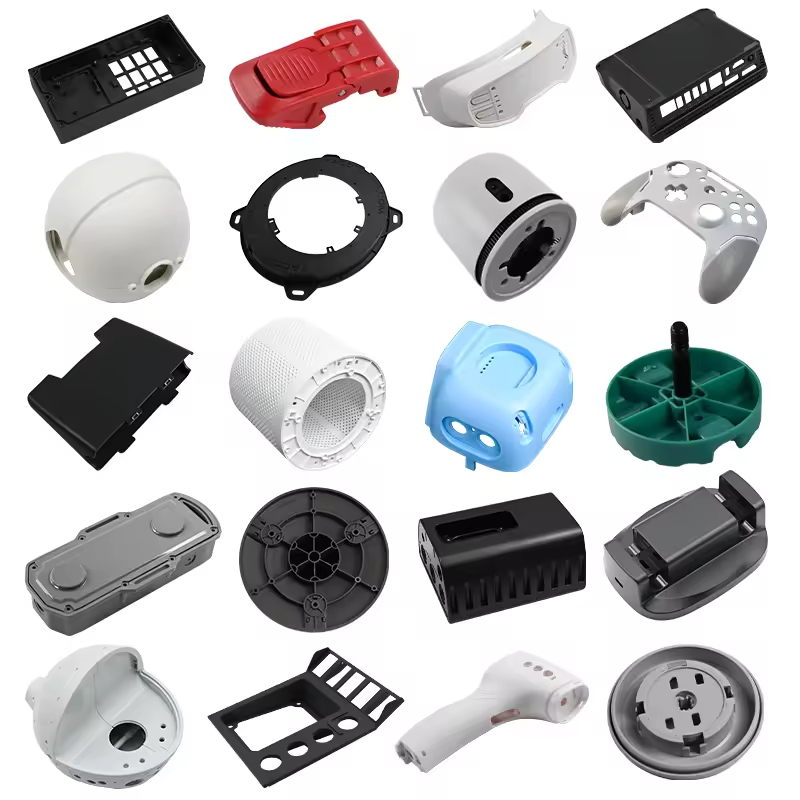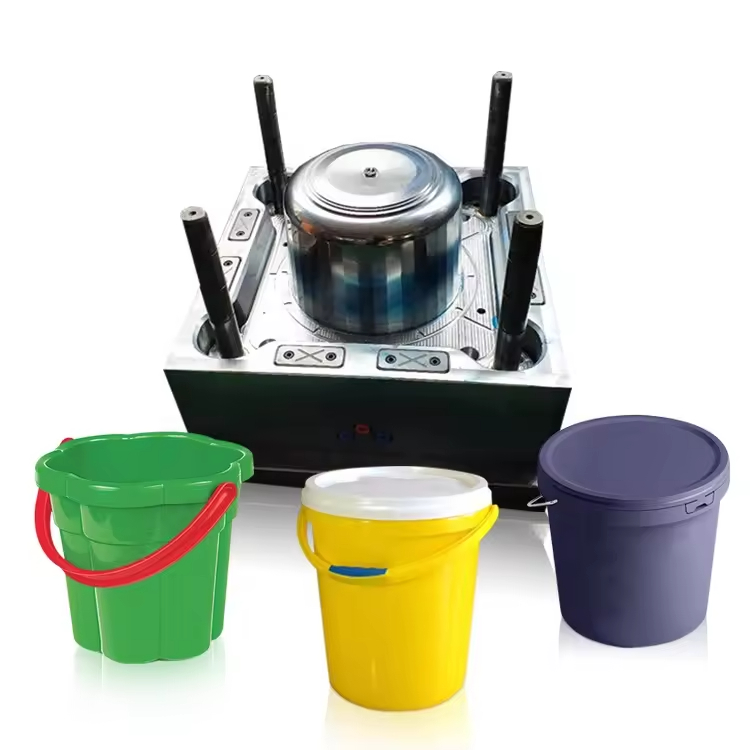
Bei der Kunststoffformteilfertigung für die Automobilindustrie müssen Materialauswahl, DFM, Formkonstruktion, Validierung und Prüfung aufeinander abgestimmt sein. Zu den gängigen Werkstoffen zählen PP, PA6, PA66, PBT, PC-ABS, ABS, TPE und PPS, je nachdem, ob das Bauteil für Innenverkleidungen, Außenhalterungen, Halterungen unter der Motorhaube, Steckverbinder oder funktionale Baugruppen verwendet wird.
Käufer aus der Automobilbranche benötigen in der Regel mehr als nur den Preis für ein Spritzgussteil. Sie benötigen einen Lieferanten, der die Materialgüte, das Jahresvolumen, die Lebensdauer der Werkzeuge, die Maßprüfung, PPAP oder ähnliche Unterlagen, die Verpackung und die Änderungskontrolle prüfen kann.
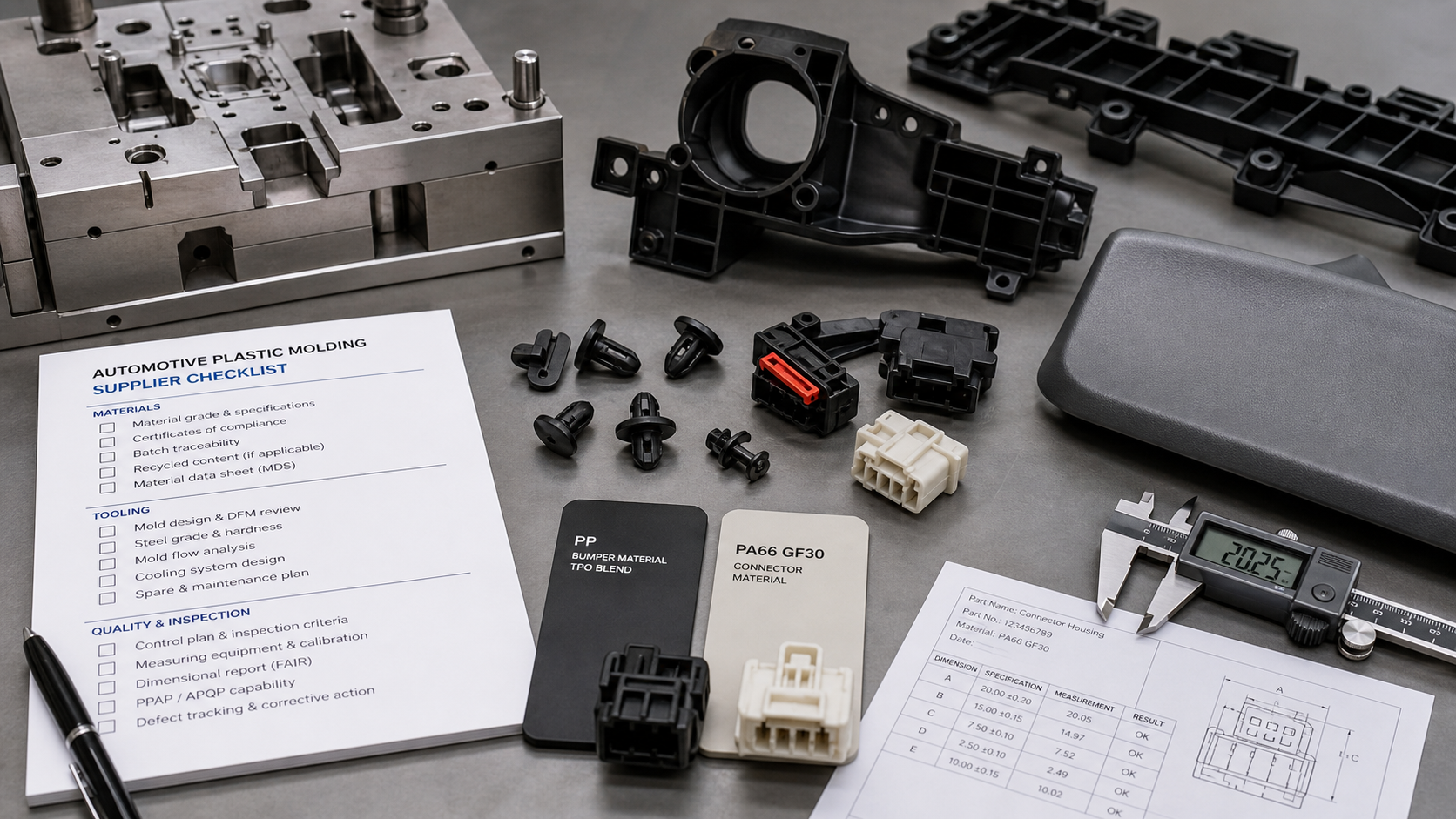
Kunststoffwerkstoffe für die Automobilindustrie nach Bauteilbereich
Formteile für die Automobilindustrie sollten nach Temperatur, chemischer Beanspruchung, Aussehen, Montagebelastung und Validierungsanforderungen gruppiert werden.
| Teilbereich | Gängige Materialoptionen | Hauptanforderung |
|---|---|---|
| Innenverkleidungen und Abdeckungen | ABS, PC-ABS, PP | Aussehen, Wirkung und Maßhaltigkeit. |
| Befestigungsclips und Halterungen für den Außenbereich | UV-stabilisiertes PP, PA6, PA66 | Witterungseinflüsse, Materialermüdung und Montagekraft. |
| Komponenten unter der Motorhaube | PA66 GF, PBT, PPS | Hitze-, Chemikalien- und Kriechbeständigkeit. |
| Elektrische Steckverbinder | PA66 GF, PBT, flammgeschützte Typen | Wärme, elektrische Leistung und Präzision. |
| Weiche Dichtungen und Griffe | TPE, TPU | Härte, Druckverformungsrest und Haftfestigkeit. |
Checkliste für Automobilzulieferer
- Bitten Sie vor der Formenherstellung um eine DFM-Prüfung.
- Überprüfen Sie die Materialgüte, das Datenblatt, die Farbe, die Zusatzstoffe und die Konformität.
- Legen Sie das Jahresvolumen, die Standzeit der Werkzeuge und die Strategie für Ersatzschneideinsätze fest.
- Prüfanforderungen festlegen: FAI, Maßbericht, Prüfvorrichtungsplan oder gegebenenfalls PPAP.
- Überprüfen Sie die Verpackung, die Rückverfolgbarkeit, die Exportanforderungen und die Änderungskontrolle.
Überlegungen zu Werkzeugen und Validierung
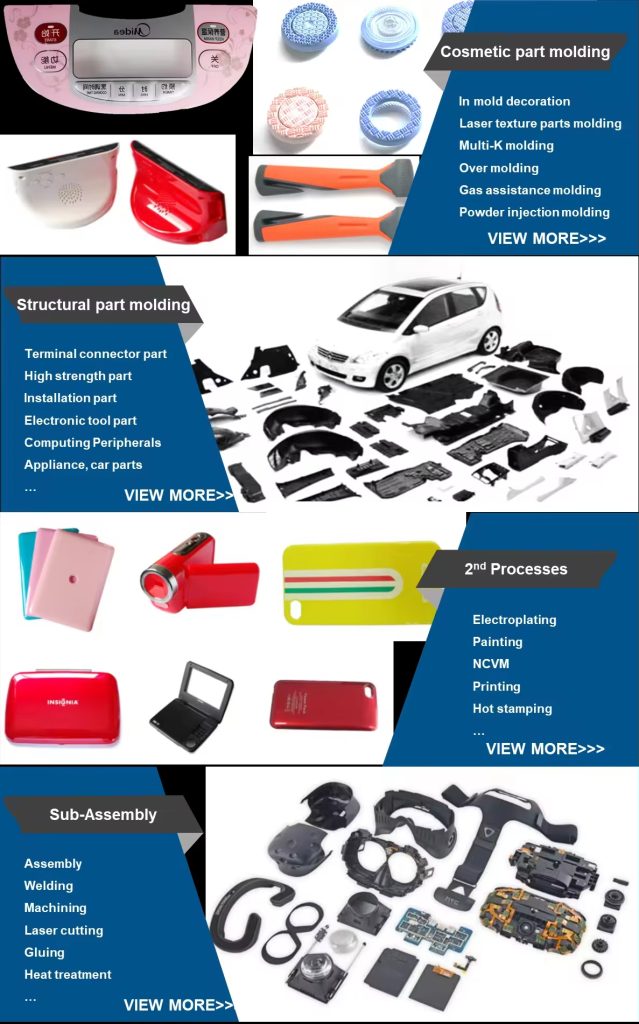
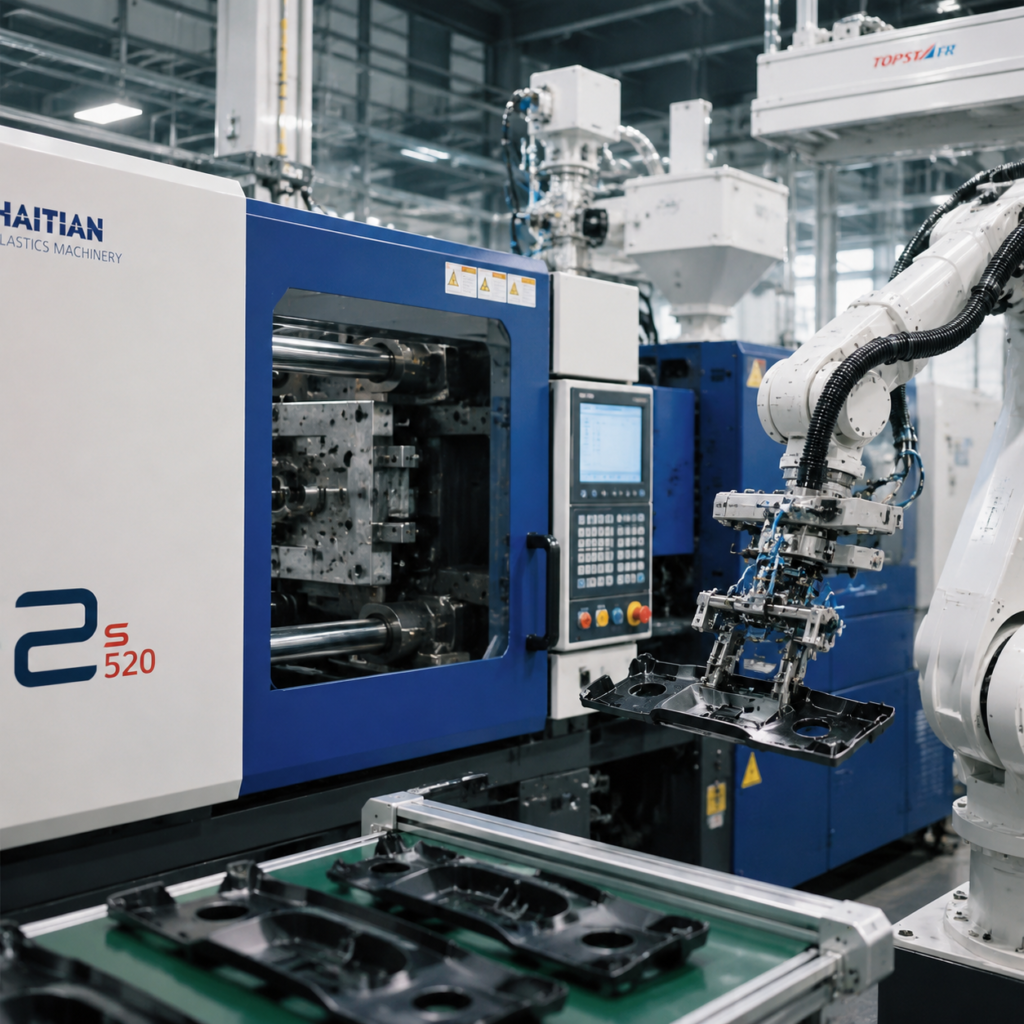
Kunststoffformen für die Automobilindustrie erfordern stabile Abmessungen, wiederholbare Zykluszeiten und eine planmäßige Wartung. Bei Teilen, die in großen Stückzahlen hergestellt werden, sind unter Umständen gehärteter Stahl, eine bessere Kühlung und strengere Prüfverfahren erforderlich als bei Prototypenwerkzeugen.
| Projektphase | Maßnahmen des Lieferanten | Käuferleistung |
|---|---|---|
| Angebotsanfrage | CAD-Daten, Material, Toleranzen und Stückzahl prüfen | Übersichtliches Zeichnungspaket und Anwendungshinweise. |
| DFM | Wandstärke, Rippen, Angüsse und Entformungsschräge prüfen | Genehmigte Konstruktionsänderungen vor dem Werkzeugbau. |
| Werkzeugbau | Formenbau entsprechend den Anforderungen an Volumen und Material | Werkzeugplan und Zeitplan. |
| Stichproben | Formversuche, Prozessfenster und Prüfung | Muster und Maßprotokoll. |
| Produktion | Qualitätskontrolle und Änderungsmanagement | Einheitliche Teile und rückverfolgbare Aufzeichnungen. |
Interne Links zu Projekten im Bereich Automobilformteile
Bei der Spritzgussfertigung im Automobilbereich sollten Materialauswahl, DFM und Lieferantenqualifizierung miteinander verknüpft werden, anstatt sie als separate Schritte zu behandeln.
- Leitfaden zur Herstellung von Kunststoffteilen für die Automobilindustrie
- Checkliste zur Fertigungsfähigkeit (DFM) von Kunststoffteilen für die Automobilindustrie
- Leitfaden zur Qualitätsprüfung von Kunststoffteilen
- Hersteller von kundenspezifischen Kunststoffteilen
- Spritzgussdienstleistungen
Häufig gestellte Fragen
Welche Materialien werden beim Kunststoffspritzguss in der Automobilindustrie verwendet?
Zu den gängigen Materialien für Automobilformteile zählen PP, PA6, PA66, PBT, PC-ABS, ABS, TPE, TPU und PPS, je nach Anforderungen an Temperaturbeständigkeit, Chemikalienbeständigkeit, Optik und mechanische Beanspruchung.
Was sollte eine Angebotsanfrage für Kunststoffformteile in der Automobilindustrie enthalten?
Bitte geben Sie CAD-Dateien, Zeichnungen, Werkstoffsorte, Toleranzen, Anwendungsbereich, Jahresvolumen, Oberflächenbeschaffenheit, Prüfvorgaben, Validierungsanforderungen und Verpackungsvorgaben an.
Wird PP für Formteile in der Automobilindustrie verwendet?
Ja. PP wird häufig in Automobilteilen verwendet, da es leicht, kostengünstig und ermüdungsbeständig ist, insbesondere bei Bauteilen für den Innen- und Außenbereich sowie bei Stoßfängerkomponenten.
Wann wird PA66 GF30 in Automobilbauteilen verwendet?
PA66 GF30 wird häufig für Steckverbinder, Halterungen und Teile im Motorraum verwendet, bei denen Steifigkeit, Hitzebeständigkeit und Formstabilität gefragt sind.