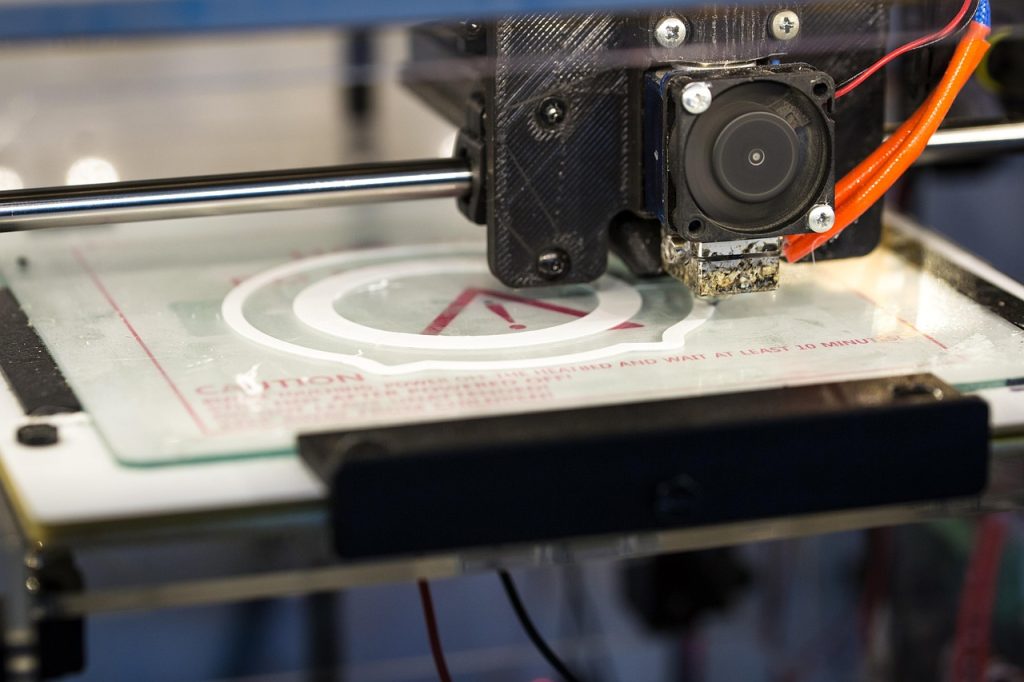
Layer ist ein praxisnahes ingenieurwissenschaftliches Thema, wenn man verschiedene Optionen vergleichen, Grenzwerte prüfen und einen Prozess mit geringerem Risiko auswählen muss.
Layer adhesion is the bond strength between printed layers. Poor adhesion results in delamination, reducing part strength and causing failures. This guide covers diagnosis and solutions for layer adhesion problems.
Signs of Poor Layer Adhesion
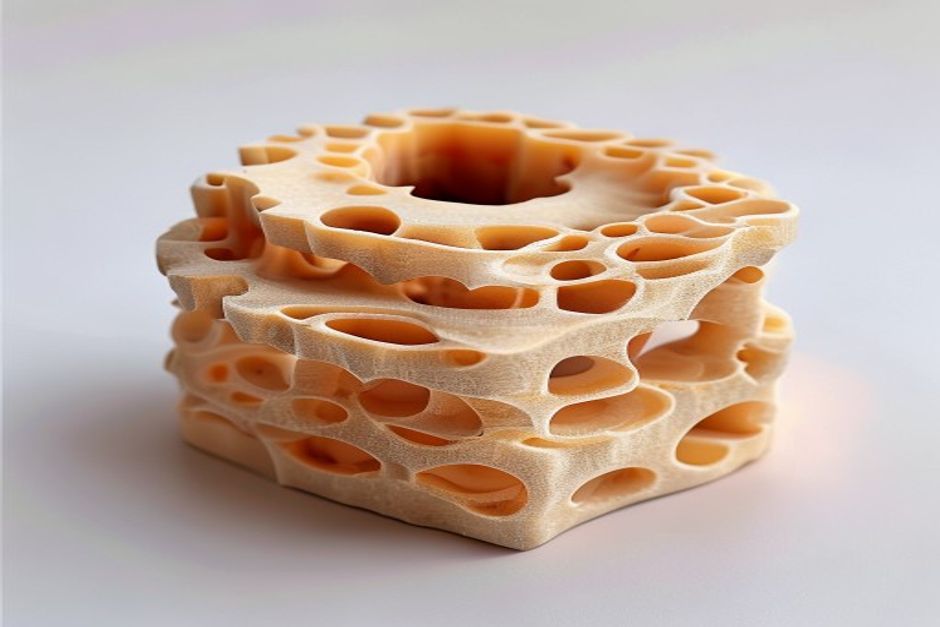
Visual Indicators:
- Visible gaps between layers
- Rough, uneven surface texture
- Layers that separate when flexed
- White stress marks along layer lines
Mechanical Failures:
- Parts breaking along layer lines
- Lower than expected strength
- Anisotropic behavior (weak in Z-axis)
- Delamination during use
Temperature is the primary factor in layer adhesion.
Root Causes
Temperature Issues
Too Cold:
- Layers don’t fuse properly
- Poor interlayer diffusion
- Weak mechanical bonding
Lösung: Increase nozzle temperature 5-10°C
Too Hot:
- Excessive oozing
- Degradation possible
- Surface quality issues
Speed Problems
Printing Too Fast:
- Insufficient heating time
- Poor layer bonding
- Weaker overall structure
Lösung: Reduce speed by 20-30% for critical layers
Infill pattern affects overall strength.
Environmental Factors
Drafts:
- Uneven cooling causes stress
- Layers contract at different rates
- Promotes delamination
Lösung: Use enclosure, avoid air conditioning vents
Humidity:
- Feuchtigkeit im Filament
- Steam bubbles disrupt bonding
- Particularly problematic with nylon
Dry storage is essential for hygroscopic materials.
Mechanical Issues
Underextrusion:
- Gaps between lines
- Weak layer structure
- Multiple causes possible
Lösungen:
- Check nozzle for clogs
- Verify extruder calibration
- Inspect drive gear condition
Material-Specific Solutions
PLA
- Standard: 200-210°C
- Increase to 215°C for adhesion
- Minimal cooling (30-50%)
PETG
- Standard: 230-245°C
- Increase to 250°C for adhesion
- Low cooling (20-40%)
ABS/ASA
- Standard: 240-260°C
- Enclosure required
- Zero or minimal cooling
Nylon
- Standard: 250-270°C
- Dry filament essential
- Enclosure recommended
Testing Layer Adhesion
Simple Bend Test:
1. Print a flat test piece (5 layers, 10mm wide)
2. Bend repeatedly
3. Observe failure mode
Good adhesion: Material stretches before breaking
Poor adhesion: Clean break along layer lines
Tensile Test:
For critical applications, consider formal testing:
- ASTM D638 specimens
- Compare Z vs XY strength
- Document for quality records
Produktionsanwendungen may require formal testing.