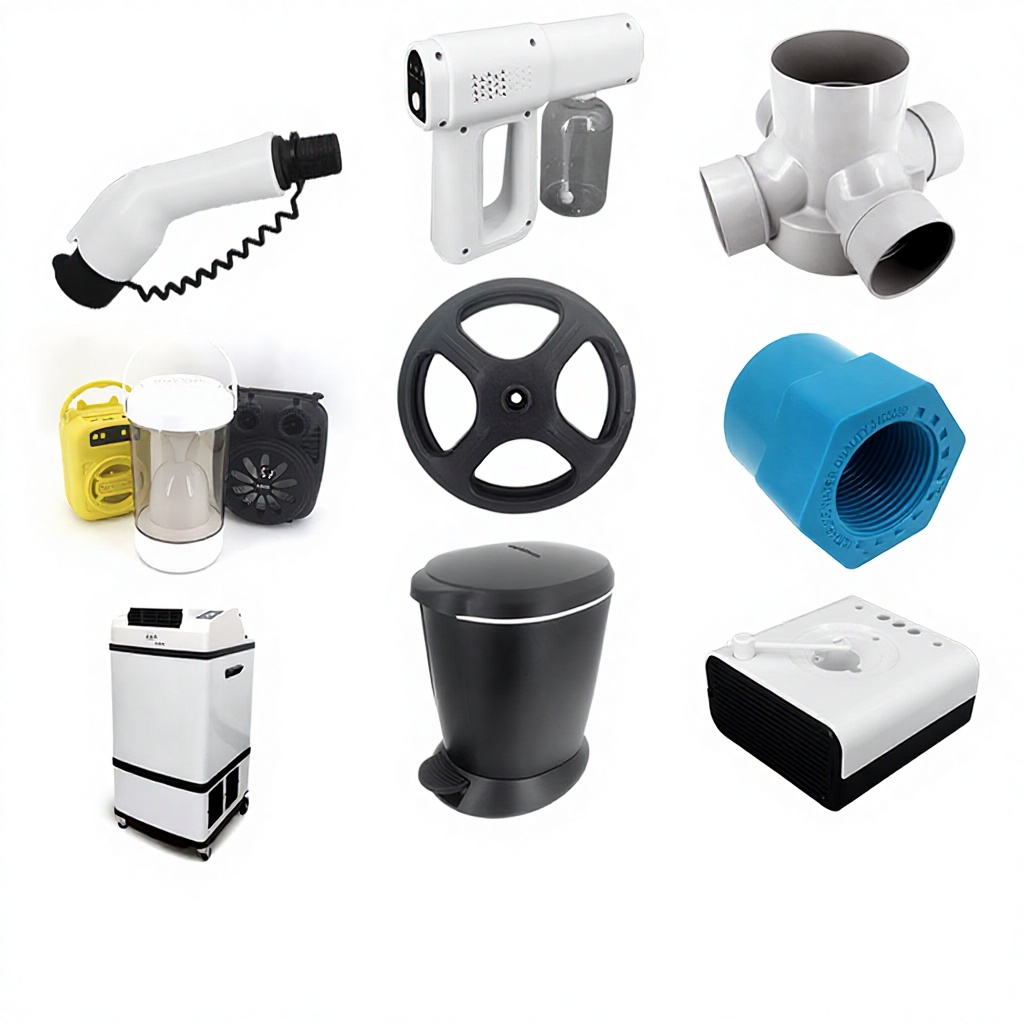
Multi axis CNC machining is relevant when a plastic part has complex faces, tight positional relationships or too many setups for a simple 3-axis route. The goal is not to use the most advanced machine by default, but to reduce handling error, improve feature access and keep part quality stable.
For custom plastic components, multi-axis machining becomes valuable when fixture changes introduce tolerance risk or when the geometry is difficult to reach without rotating the part. Nylon Plastic can review the model and recommend the most efficient axis strategy before quoting.
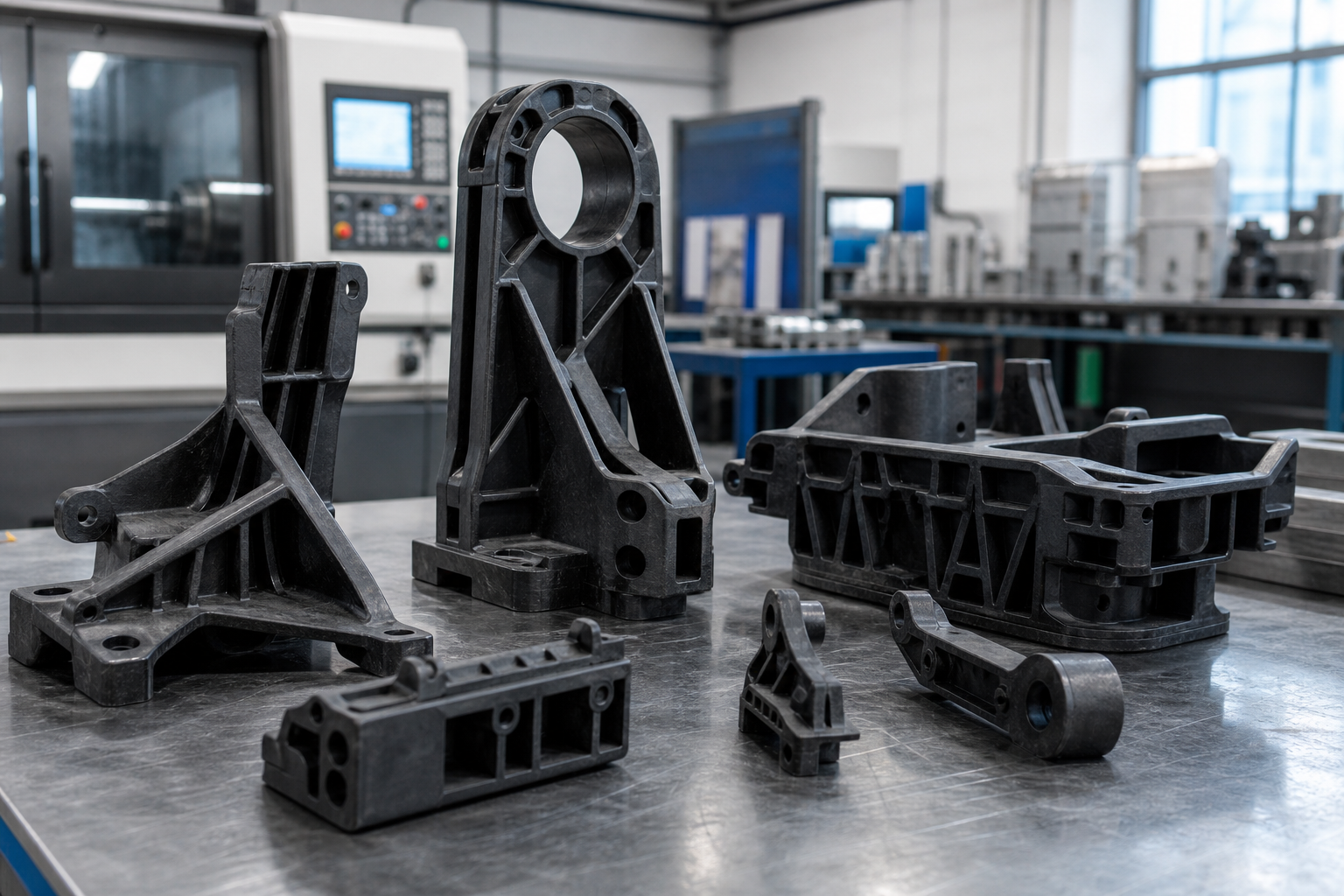
Auf einen Blick
| Route | Am besten für | Wichtigster Kompromiss | Project Check |
|---|---|---|---|
| 3-Achse | Simple planar parts and basic pockets | More setups for complex geometry | Check whether repeated fixturing hurts tolerance |
| 4-Achsen | Indexed side features and rotary access | Still limited on freeform access | Useful for cylindrical or multi-side parts |
| 5-axis | Complex geometry and reduced setups | Higher machine cost and programming demand | Best when part quality improves enough to justify it |
When Multi Axis CNC Machining Makes Sense
If the part needs machining on many faces, deep compound angles or precise positional relationships between features, extra axes can reduce setups and improve consistency. That matters for plastic parts because repeated clamping can distort thin walls or shift features on softer materials.
5-axis machining is not always cheaper, but it can become the lower-risk route when the alternative is multiple fixtures, longer handling time and stacked tolerance error.
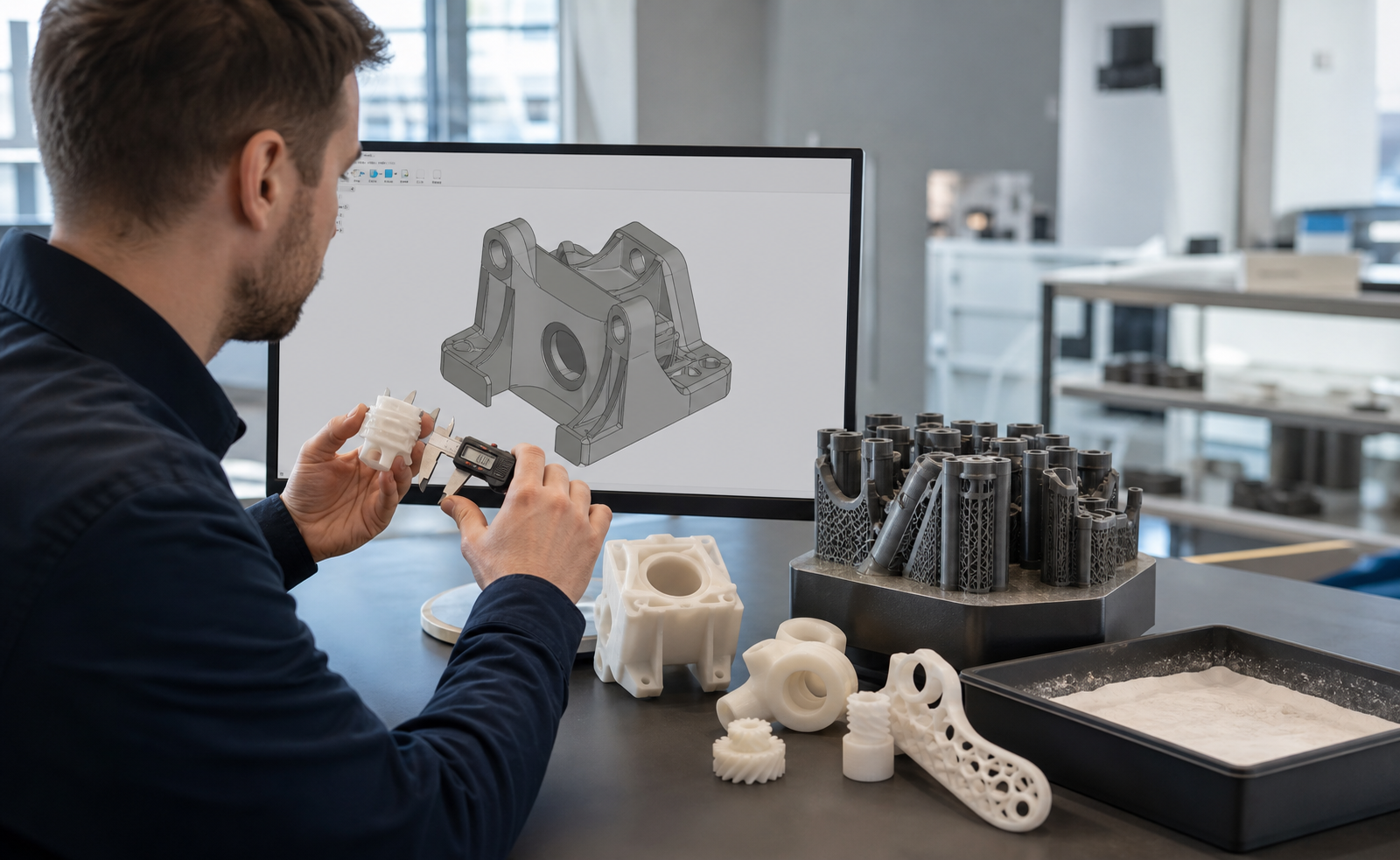
Questions to Ask Before Choosing the Axis Strategy
- How many setups does the 3-axis route require? More setups usually mean more risk.
- Does the plastic material move during clamping? Softer parts may benefit from fewer re-fixtures.
- Are angled or wrapped features critical? That often pushes the project toward 4-axis or 5-axis.
- Is surface continuity important? Multi-axis access can improve finish on complex contours.
- Can one better setup reduce scrap and inspection effort? Machine rate alone is not the whole cost picture.
Common Multi Axis Machining Problems and Fixes
| Problem | Warum das so ist | Korrektur |
|---|---|---|
| High quote for a simple part | 5-axis chosen without real need | Re-check if 3-axis or 4-axis can do the job cleanly |
| Tolerance stack from multiple setups | Part repositioned too many times | Use a higher-axis route or a smarter fixture plan |
| Wall distortion | Clamping pressure changes part geometry | Reduce setups and review support strategy |
| Slow production despite advanced machine | Programming complexity outweighs the benefit | Use multi-axis only where geometry or tolerance justifies it |
3 Axis vs 4 Axis vs 5 Axis for Plastic Parts
3-axis is still the right answer for many plastic parts. 4-axis is useful for side access and cylindrical work. 5-axis earns its place when fewer setups materially improve feature alignment, finish or stability on difficult plastic geometries.
Weiterführende Lektüre
- Maßgefertigte Kunststoffteile
- CNC-Bearbeitung von Nylon
- Plastic Machining Tolerances
- Leitfaden zu Werkstoffen für die CNC-Bearbeitung
Häufig gestellte Fragen
When does a plastic part need 5-axis CNC machining?
5-axis is useful when multiple angled features, complex surfaces, tool access, or fewer setups materially improve accuracy or finish. Many parts remain practical with 3-axis or indexed 4-axis machining.
Is 5-axis machining always more expensive for plastic parts?
Not always. It can reduce setups and secondary work, but programming, fixturing, machine time, and inspection must be compared against a stable lower-axis route for the actual geometry.
Why does workholding matter more for thin plastic parts?
Plastic is less stiff than metal and can deform under clamping or cutting heat. Fixtures, support points, machining sequence, and free-state inspection need to be planned around the functional datums.
What should a multi-axis CNC RFQ include?
Send STEP and drawing files, material and stock condition, quantity, machine or axis preference, critical datums, tolerances, surface finish, workholding restrictions, inserts, and inspection reports.
Request a Multi-Axis Plastic CNC Review
For multi axis CNC machining plastic parts, share CAD and a controlled drawing with the critical relationships across faces. Nylon Plastic can review whether fewer setups improve the project, together with the fixture strategy, material, functional datums, inspection and total quoted scope.
Was sollte Ihre Anfrage enthalten?
- State the exact grade, stock form and source, permitted substitution, quantity by phase, service environment and measurement or conditioning state.
- Mark critical features and datums, workholding restrictions, acceptable clamp marks, surface requirements and any customer-specified axis constraint.
- Include inserts or secondary operations, first-article records, free-state or assembled inspection requirements, traceability, destination and timing.
Nylon Plastic helps project teams choose the right machining route for plastic parts instead of defaulting to either the cheapest setup or the most advanced machine. That keeps quoting grounded in part quality and total manufacturing risk.
Axis strategy questions that affect the quote
- A 5-axis machine is requested for prestige while the part could be machined accurately with 3-axis or indexed 4-axis setups.
- The quote ignores fixture access, workholding marks, thin-wall deflection, tool reach, chip evacuation, and inspection datums.
- The quote review compares machine count instead of comparing setups, critical features, tolerance capability, cycle time, and total inspection scope.
- Nylon or POM stock is treated like metal even though heat, clamping, moisture, and residual stress can move the final dimensions.
Nylon Plastic supports CNC machining of engineering plastic parts and can review the axis strategy together with material, fixture design, machining sequence, tolerances, and inspection. The right question is which setup controls the functional features with the least risk, not simply how many axes a machine has.
- Prüfen Sie vor der Angebotserstellung die Zeichnung, das Material, die Menge, die kritischen Merkmale und die Einsatzbedingungen.
- Verknüpfen Sie Muster, Maßberichte, Materialdokumente, Rückverfolgbarkeit und Abnahmekriterien mit derselben Revision.
- Verwenden Sie maßgeschneiderte Compoundierung, Spritzguss, CNC-Bearbeitung oder 3D-Druck, wenn die Anwendung einen anderen Herstellungsweg erfordert.
Multi-axis CNC machining plastic parts is most useful when feature access, fixture reduction or tool orientation matters more than a simple 3-axis setup.
Compare setup and fixture work, programming, machining, stock preparation or stress relief where needed, secondary operations and inspection on the same revision. Agree the sample approval and repeat-production scope; machine axis count alone does not define the accuracy or inspection delivered.