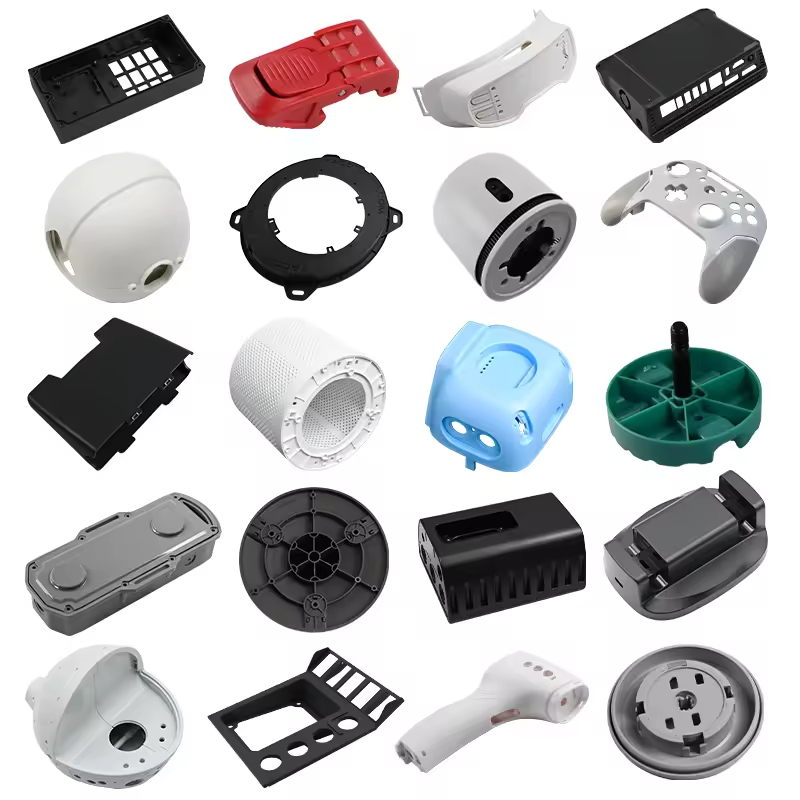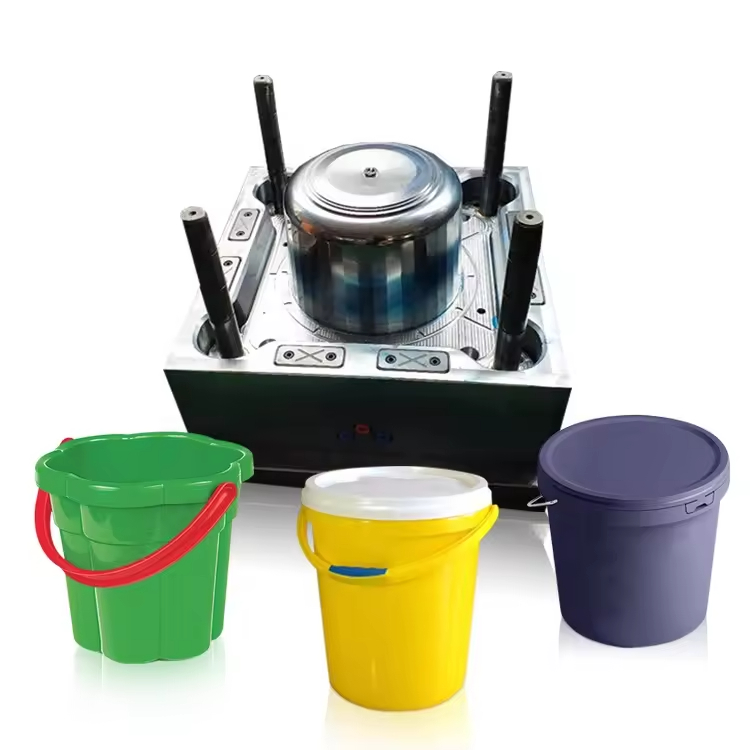
Zweikomponenten-Spritzguss wird eingesetzt, wenn für ein Bauteil zwei Materialien, zwei Farben oder zwei funktionale Oberflächen benötigt werden, die in einer kontrollierten Abfolge hergestellt werden müssen. Mit diesem Verfahren lassen sich stabile, saubere Baugruppen herstellen, allerdings nur, wenn die Materialkombination, die Formkonstruktion und die Klebestrategie richtig gewählt werden.
If the project also needs a broader supplier decision, compare this with metal insert molding, plastic enclosure manufacturing, und Automobil-Spritzgießen before locking the process.
For production programs, the decision is usually about whether two-shot molding is worth the added tooling complexity compared with insert molding, overmolding or post-assembly. Nylon Plastic can review the part and help decide which route is justified.
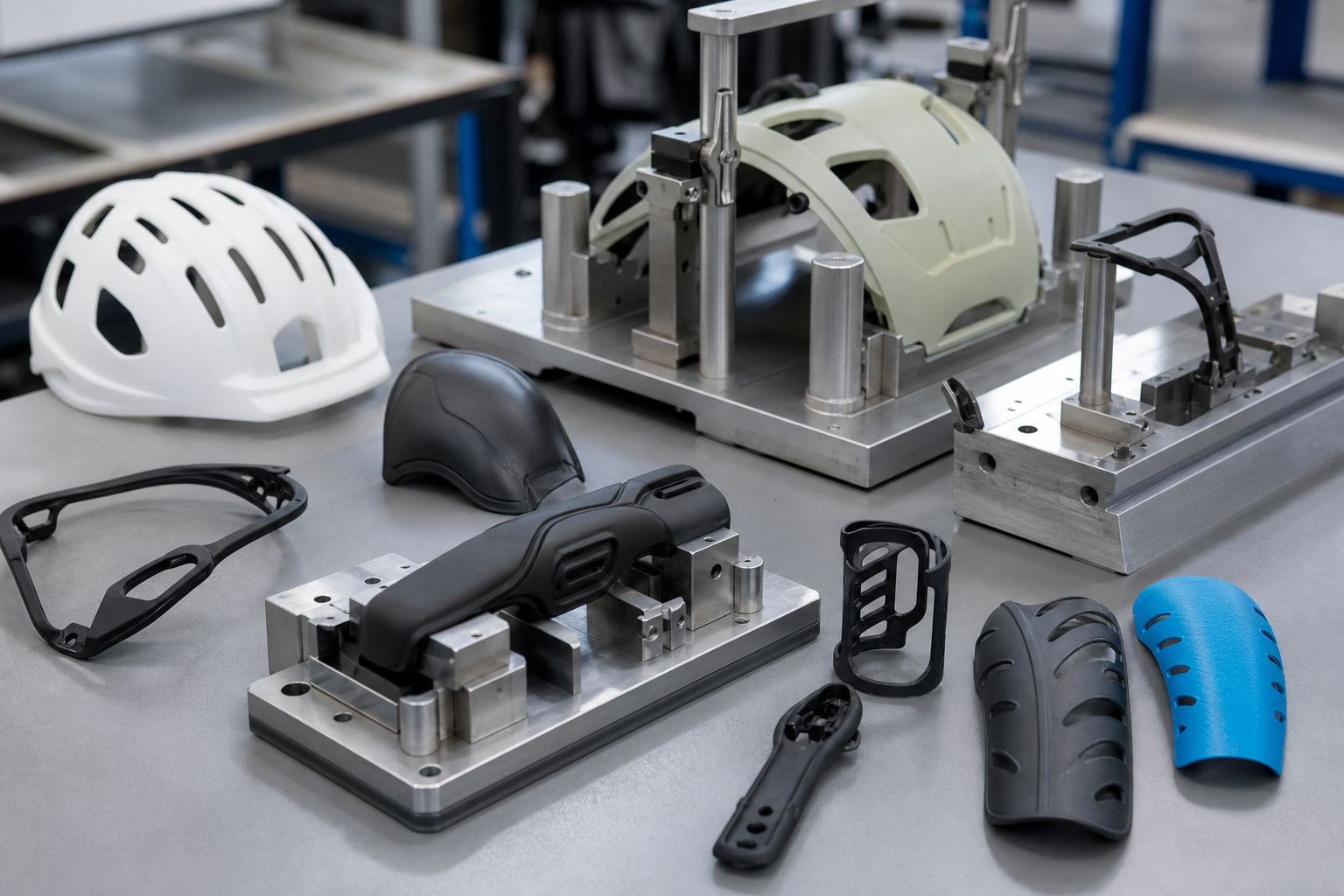
Auf einen Blick
| Frage | Was ist zu überprüfen? | Warum das wichtig ist |
|---|---|---|
| Materialkombination | Chemische Verträglichkeit und Haftfestigkeit | Nicht jedes Harzpaar verbindet sich zuverlässig |
| Teilegeometrie | Erhalt des ersten Schusses und Durchfluss beim zweiten Schuss | Die Geometrie bestimmt sowohl die Haftfestigkeit als auch das ästhetische Ergebnis |
| Werkzeugkonstruktion | Rotationsplatte, Kern-Rückseite oder Transferlogik | Die Maschine und das Werkzeug müssen zur Teilstrategie passen |
| Volumenziel | Programmumfang und Wiederholungsproduktion | Zweistufige Werkzeuge müssen ihre höheren Kosten rechtfertigen |
| Alternative Route | Vergleich zwischen Umspritzung und Montage | Manchmal reicht ein einfacherer Prozess aus |
Wann sich das 2-Komponenten-Spritzgießen als die richtige Wahl erweist
Das Zweikomponenten-Spritzgießen eignet sich am besten, wenn das Bauteil eine stabile Verbindung, eine präzise Ausrichtung und eine hohe Wiederholgenauigkeit zwischen zwei Materialien erfordert. Beispiele hierfür sind Soft-Touch-Griffe, abgedichtete Gehäuse, mehrfarbige Bedienelemente und Bauteile, die eine starre Basis sowie eine funktionale Außenhaut benötigen.
Wenn das zweite Material lediglich dekorativen Zwecken dient oder die Stückzahlen noch ungewiss sind, könnte eine nachträgliche Montage oder ein einfacheres Umspritzen die wirtschaftlich sinnvollere Wahl sein.
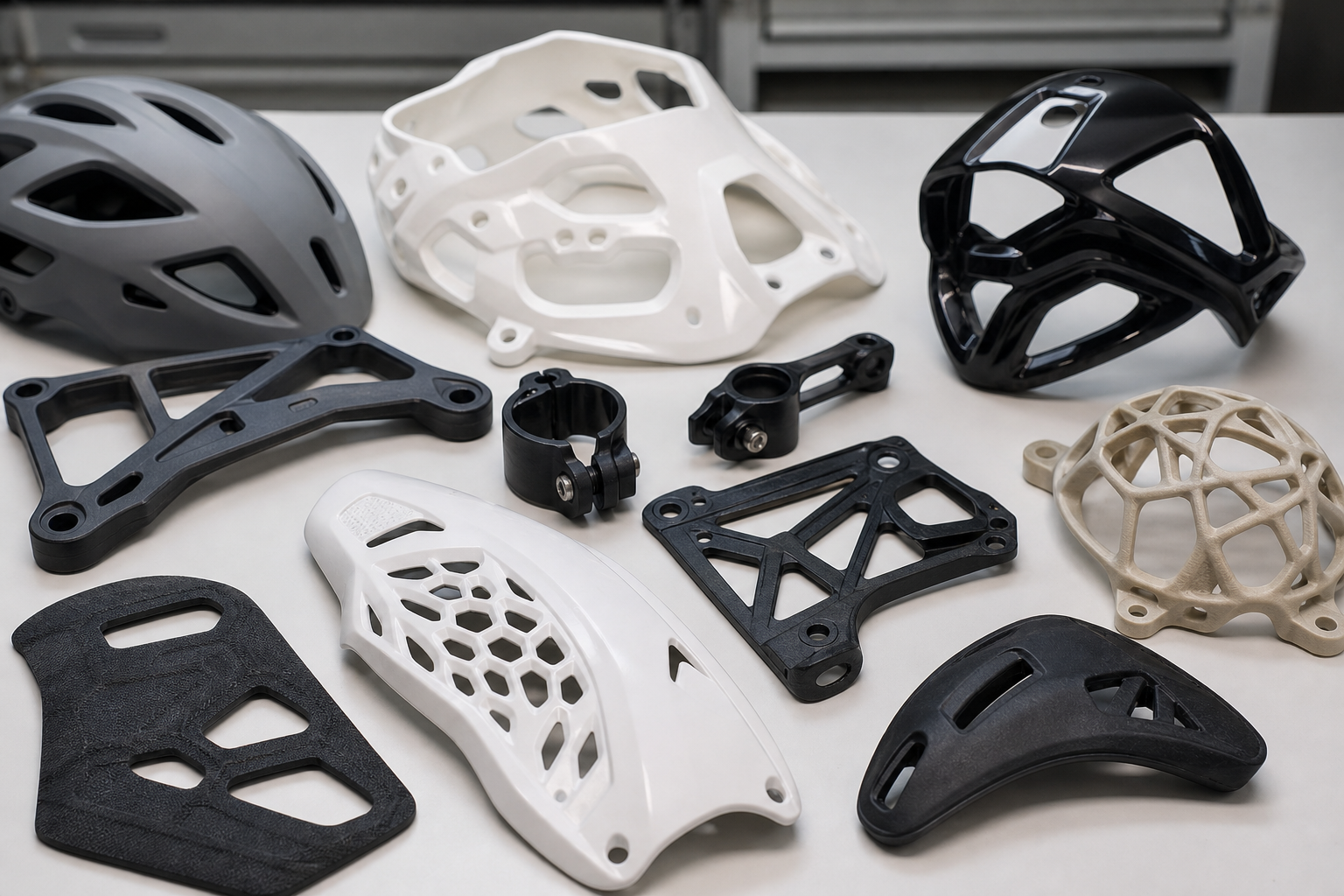
Regeln zur Materialkombination, die Einkäufer beachten sollten
- Überprüfen Sie die tatsächliche Kompatibilität der Anleihen: Gehen Sie nicht davon aus, dass zwei Kunststoffe aneinander haften, nur weil sie in einem Produkt nebeneinander liegen können.
- Unterschied beim Schrumpfungsgrad überprüfen: Eine nicht abgestimmte Kontraktion kann den Verbindungsbereich verzerren.
- Überlappung der thermischen Fenster prüfen: Der erste Schuss muss den zweiten Schuss überstehen.
- Bei Bedarf mechanische Verriegelungen einbauen: Eine chemische Bindung allein reicht nicht immer aus.
- Klärung der Erwartungen hinsichtlich des kosmetischen Ergebnisses: Die Bondleitungen und die Platzierung der Gate-Elemente müssen frühzeitig überprüft werden.
Häufige Probleme beim 2-Komponenten-Spritzguss und deren Behebung
| Problem | Warum das so ist | Korrektur |
|---|---|---|
| Geringe Haftfestigkeit | Falsche Materialkombination oder verunreinigte Grenzfläche | Die Kompatibilität des Harzes und die Gestaltung der Schnittstelle erneut überprüfen |
| Teilverzerrung | Ungleichmäßige Schrumpfung zwischen verschiedenen Materialien | Geometrie, Schussfolge oder Harzauswahl anpassen |
| Sichtbare kosmetische Fließlinie | Die Wahl des Fließwegs oder des Angusses für den zweiten Schuss ist ungünstig | Standort des Rework-Gates und Strategie für die optische Gestaltung der Seiten überarbeiten |
| Die Werkzeugkosten sind zu hoch | Vor der Prüfung des Business Case ausgewählter Prozess | Vergleich von 2-Komponenten-Spritzguss, Umspritzung und Montage vor der Freigabe der Form |
Zweikomponenten-Spritzguss vs. Umspritzguss vs. Montage
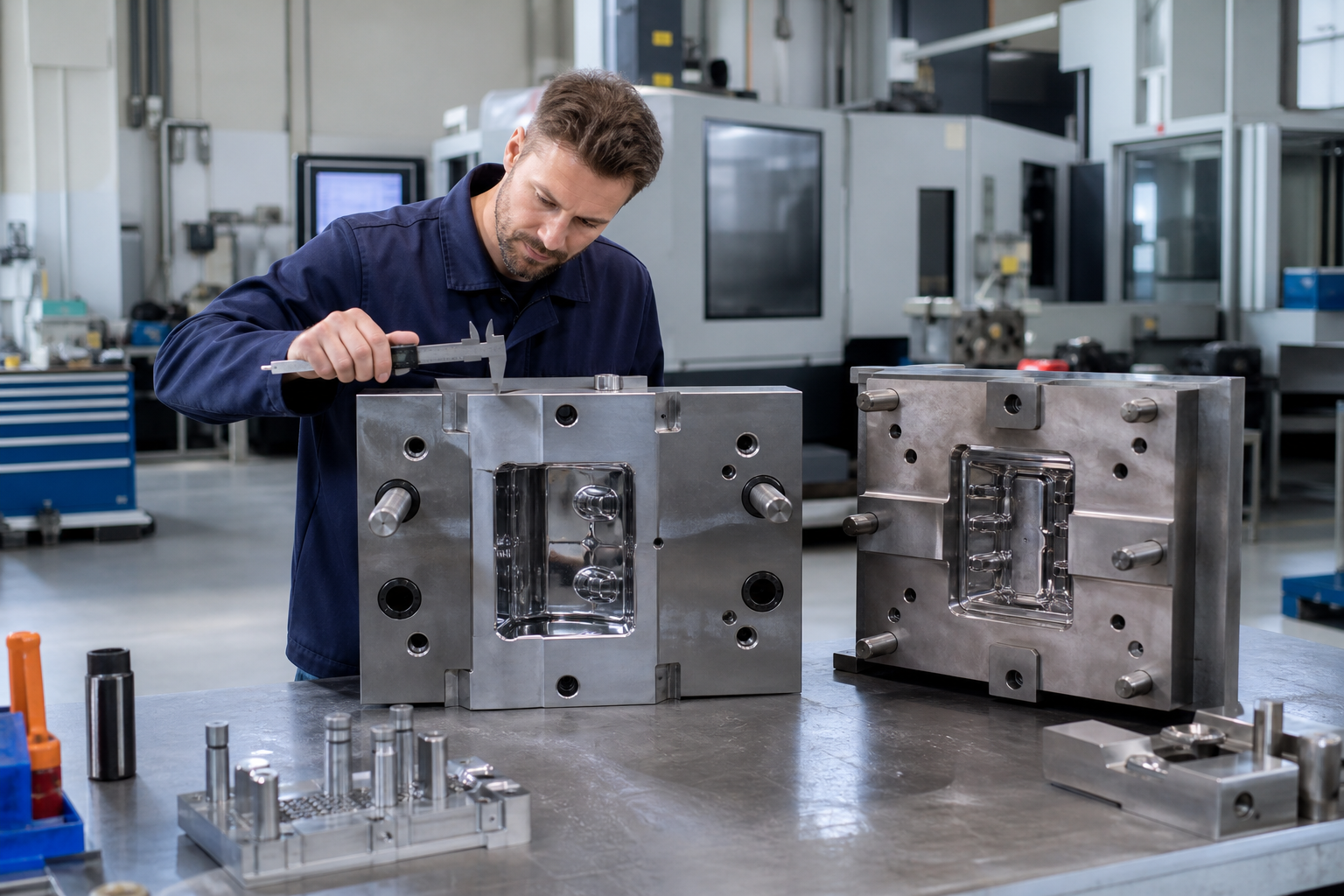
Das Zweikomponenten-Spritzgießen ist die am stärksten integrierte Option, aber nicht automatisch die beste. Ein Umspritzen kann ausreichend sein, wenn das erste Teil separat geformt werden kann. Eine Nachmontage kann kostengünstiger sein, wenn die Verbindung nicht entscheidend ist oder die Stückzahlen geringer sind.
Weiterführende Lektüre
- TPE-Spritzguss und Überformung
- Metalleinlegetechnik für Kunststoffteile
- Maßgefertigte Kunststoffformteile
- Leitfaden zu den Kosten im Spritzgussverfahren
- Konstruktion von Kern- und Formhohlraum-Spritzgussformen
Häufig gestellte Fragen
Was ist das 2-Komponenten-Spritzgießen?
Es handelt sich um ein Spritzgussverfahren, bei dem in zwei aufeinanderfolgenden Spritzvorgängen aus zwei Materialien oder in zwei Farben ein Bauteil hergestellt wird.
Ist das 2-Komponenten-Spritzgießen dasselbe wie das Umspritzen?
Nicht ganz. Beim Zweikomponenten-Spritzguss werden beide Spritzgussvorgänge in einem einzigen Werkzeugvorgang integriert, während beim Umspritzen unter Umständen ein separat gefertigtes Erstbauteil zum Einsatz kommt.
Wann sollte ich das 2-Komponenten-Spritzgießen anwenden?
Setzen Sie diese Methode ein, wenn die Wiederholgenauigkeit der Klebeverbindung, die Ausrichtung und der Produktionsumfang den zusätzlichen Aufwand bei der Werkzeugherstellung rechtfertigen.
Was ist das größte technische Risiko?
Das größte Risiko besteht in einer ungeeigneten Materialkombination oder einer fehlerhaften Gestaltung der Schnittstelle, was zu einer schwachen Verbindung oder einer Verformung der Bauteile führen kann.
Was muss ich für eine Begutachtung eines 2-Schuss-Formteils einsenden?
Bitte senden Sie uns das Bauteilmodell, die Zielwerkstoffe, das Jahresvolumen, die Anforderungen an das Erscheinungsbild sowie die für die Haftung kritischen Bereiche zu.
Request a Two-Shot Molding Review
For a two-color or dual-material component, share both material grades, the part assembly, interface and appearance requirements, and quantity by phase. Nylon Plastic can compare two-shot molding, transferred-part overmolding and assembly before tooling is selected.
Was sollte Ihre Anfrage enthalten?
- Provide CAD, drawings, first- and second-shot grades, color references and any permitted alternatives.
- Mark bond/interlock geometry, shutoff and flash limits, sealing or soft-touch areas and critical assembly fits.
- Define peel, pull, shear, seal or aging tests as applicable, sample conditioning, appearance limits and required records.
- State annual/lifetime volume, design changes, destination and packaging needs.
Nylon Plastic hilft Einkäufern dabei, verschiedene Verfahren des Zweikomponenten-Spritzgusses zu vergleichen, bevor sie sich für ein komplexes Werkzeug entscheiden. Dies ist oft der schnellste Weg, um unnötige Werkzeugkosten und spätere Haftungsfehler zu vermeiden.
Ask the quote to state the agreed molding route, mold architecture, cavity count, trial and sample scope, part supply, finishing, inspection and packaging. Confirm tool ownership and any separately arranged bond or environmental validation. Two polymers in one part do not by themselves establish adhesion or sealing performance.