POM-Acetal (Polyoxymethylen) – Der umfassende Leitfaden zur CNC-Bearbeitung von Kunststoffen

This pom acetal polyoxymethylene guide explains practical material, design, manufacturing, and sourcing considerations for Nylon Plastic readers.
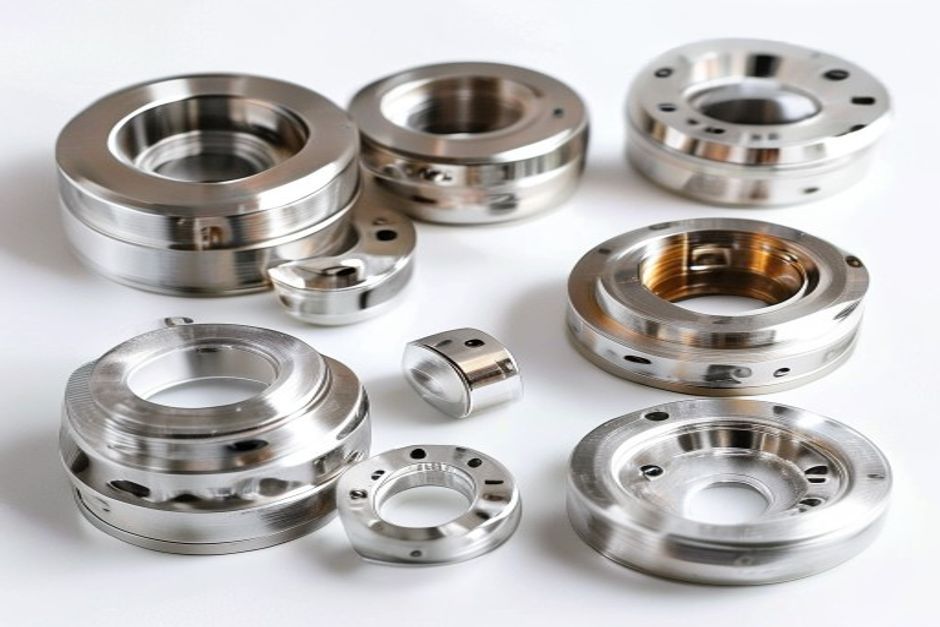
CNC-gefräste Zahnräder und Präzisionsteile aus POM-Acetal (Delrin) – Nylonplastic CNC-Service

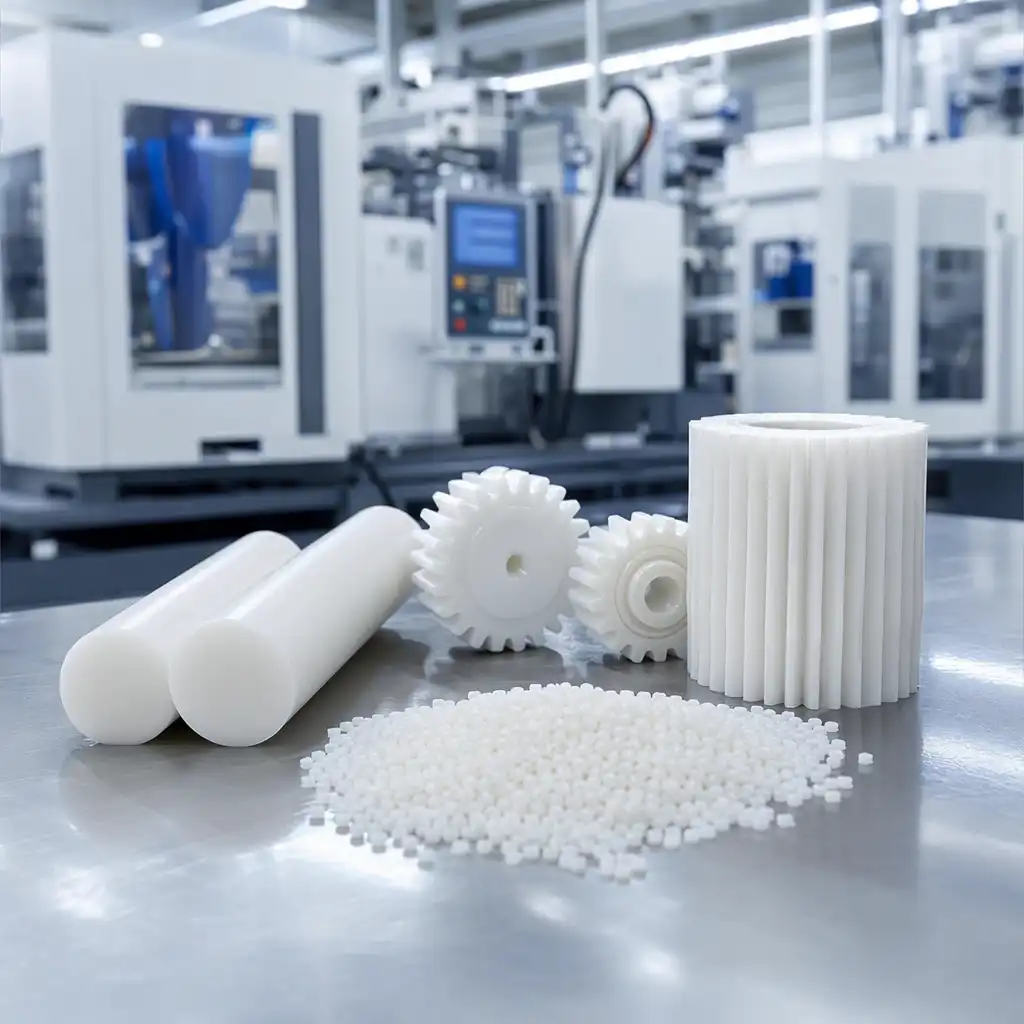
POM acetal rods, gears and machined stock in a CNC plastics workshop
POM-Acetal (Polyoxymethylen) – Der umfassende Leitfaden zur CNC-Bearbeitung von Kunststoffen

Was ist POM-Acetal-Kunststoff?

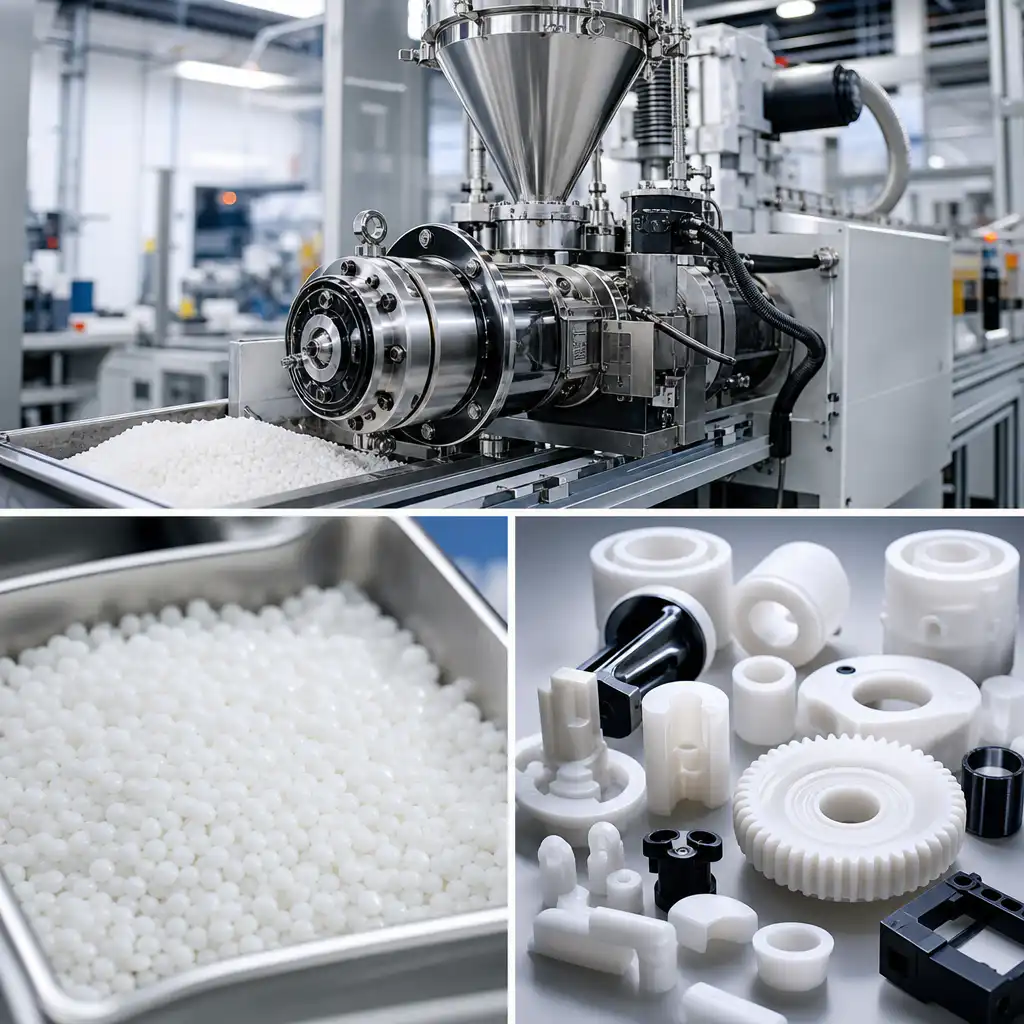
POM acetal CNC machining line with polymer pellets and finished precision components
Professionelles Industriefoto: POM-Acetal (Polyoxymethylen), Herstellung

POM (Polyoxymethylen), auch bekannt als Acetal oder Delrin, ist ein hochkristalliner technischer Thermoplast. Durch die Kombination aus hoher Steifigkeit, geringer Reibung und ausgezeichneter Dimensionsstabilität eignet es sich ideal für präzise mechanische Bauteile.

Wichtigste Eigenschaften von POM

  • Zugfestigkeit: 60–70 MPa
  • Biegemodul: 2.500–2.800 MPa
  • Schmelzpunkt: 165–175 °C
  • Reibungskoeffizient: 0.2–0.35

Bewährte Verfahren in der CNC-Bearbeitung

Verwenden Sie scharfe Hartmetallwerkzeuge, eine Schnittgeschwindigkeit von 150–250 m/min beim Drehen sowie Luftkühlung oder Flutkühlung.

Gemeinsame Anwendungen

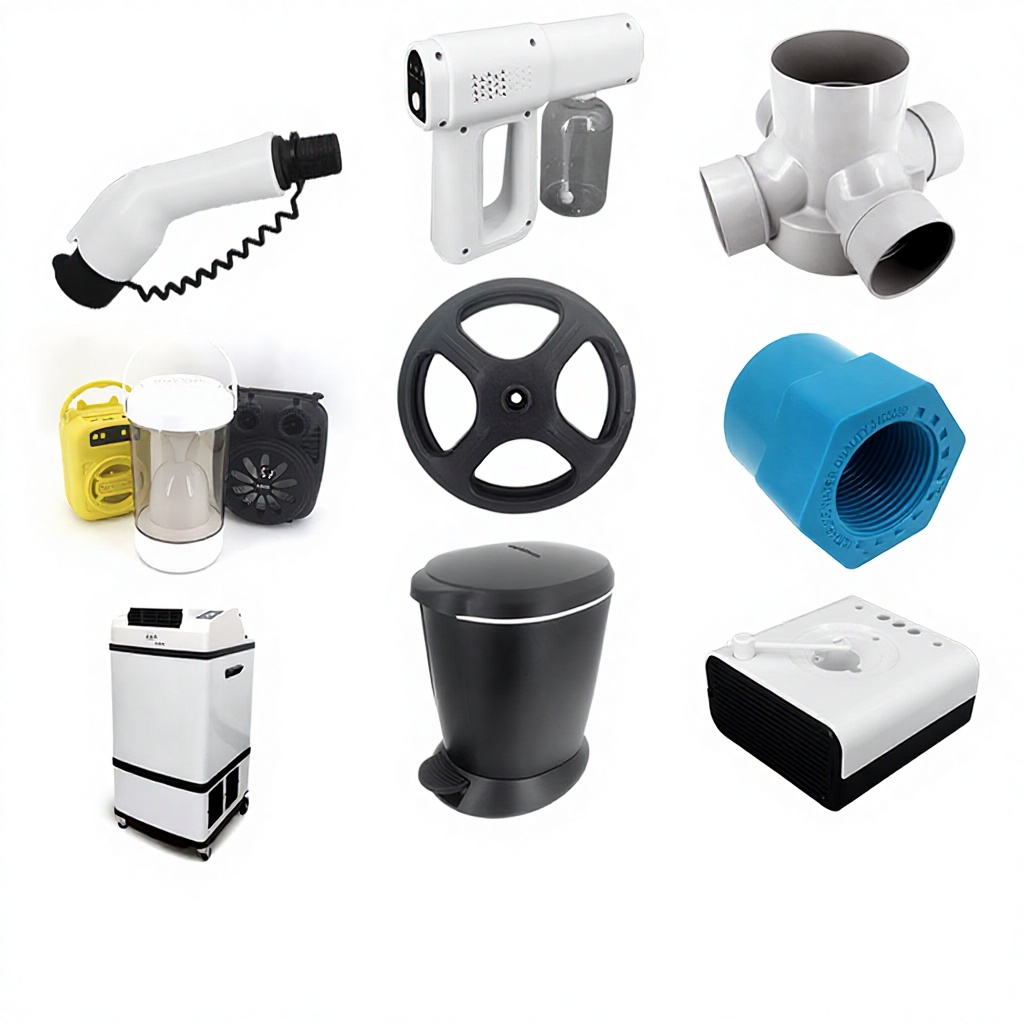
Zahnräder, Kettenräder, Lager, Buchsen, Führungsschienen, Anlagen für die Lebensmittelverarbeitung und Komponenten für medizinische Geräte.
POM CNC Machining: What the Shop Must Control

POM is easy to machine compared with many reinforced engineering plastics, but it still needs a controlled process. The stock should be supported evenly, the workholding should not crush thin sections, and the tool path should remove heat instead of rubbing the polymer. A part that measures correctly while clamped can move after release if the stock or fixture has stored stress.

Control point Why it matters Useful RFQ evidence
Stock and grade Different POM grades can vary in stiffness, friction, color and dimensional behavior Grade, certificate, stock size and lot traceability
Werkstückspannung Uneven clamp force can distort thin walls and bores Fixture concept, datum plan and relaxed-part inspection method
Cutting strategy Rubbing and trapped chips can raise heat and damage the surface Tool material, chip evacuation and critical surface requirement
Inspection condition Temperature and release state can change the measured result Inspection temperature, datum scheme and critical dimensions

For a production decision, compare CNC-machined POM with molded POM, unfilled PA, PA-GF20 and PA-CF30 only against the actual duty cycle. POM is often attractive for low-friction parts, while reinforced nylon may be better when stiffness, wear or temperature response dominates. A material substitution should be validated with the mating component and service environment.

Prototype-to-Production Questions

Weiterführende Lektüre

Häufig gestellte Fragen

When is POM acetal a good choice for a CNC-machined plastic part?

POM is useful when low friction, good stiffness, wear resistance and dimensional stability are more important than high temperature or long-term moisture resistance. Confirm the load, speed and chemical environment first.

What should be checked before choosing POM for CNC machining?

Check part size, wall thickness, tolerance, surface finish, heat exposure, load direction, friction, chemical contact and whether the design will remain machined or later move to injection molding.

How should POM be held during machining?

Use even support and moderate clamping force. Excessive local pressure can distort the stock and the part can move when released, so critical dimensions should be inspected after the part has relaxed.

What affects the cost of POM CNC machining?

Cost depends on stock size, material grade, number of setups, tool access, tolerances, surface finish, inspection and quantity. Standard tools and relaxed non-critical tolerances usually reduce cost.

Can POM be replaced by nylon or PA-GF20?

Sometimes, but the replacement changes friction, moisture response, stiffness, wear and dimensional behavior. Compare the application data rather than substituting by name alone; PA-GF20 may improve stiffness but can change anisotropy and surface behavior.

Request a POM CNC Machining Review

Send the CAD file, drawing, POM grade preference, tolerances, operating environment, quantity and inspection requirements for a machining review.

Erzählen Sie uns etwas über Ihr Bauteil

Dieses Feld ist erforderlich.
Nach oben blättern