
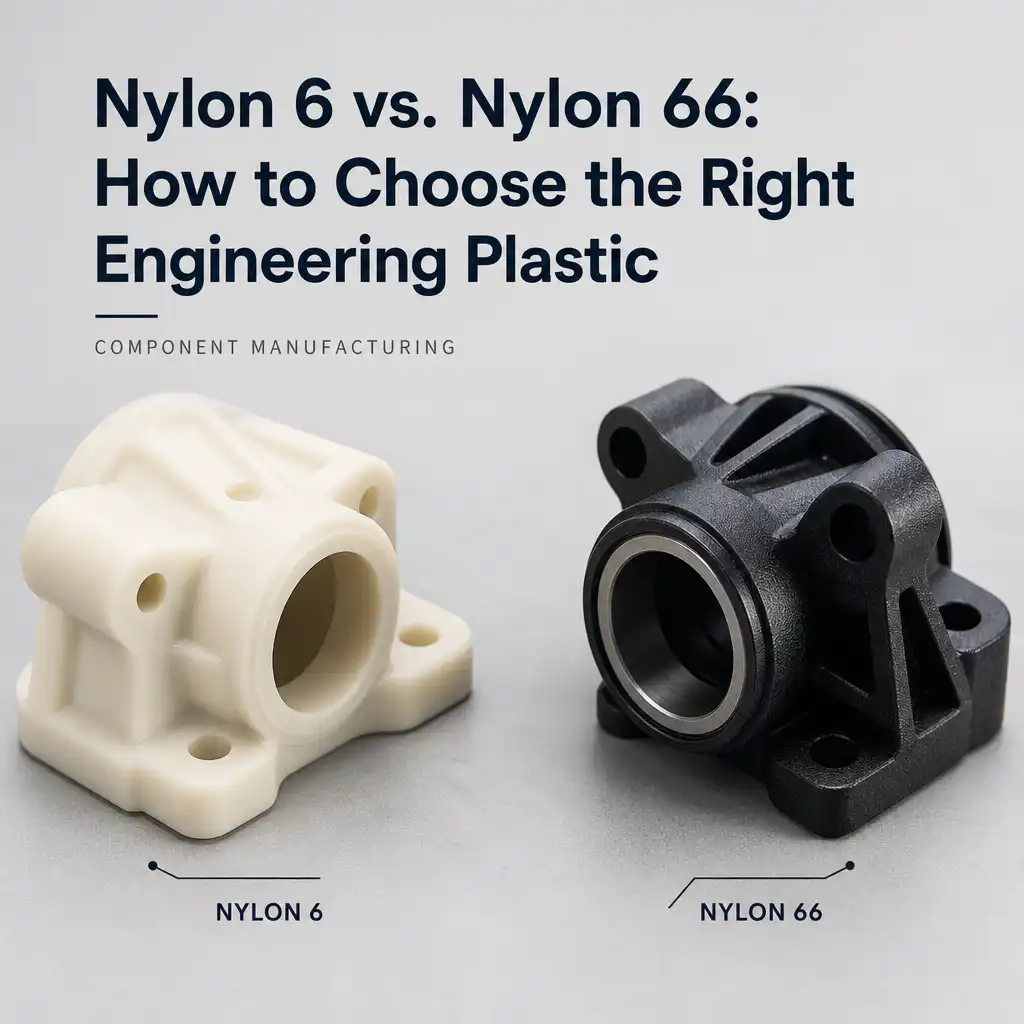
Die Wahl zwischen Nylon 6 und Nylon 66 ist eine der häufigsten Materialentscheidungen im Bereich der technischen Kunststoffe. Beide sind Polyamide mit hervorragenden mechanischen Eigenschaften, eignen sich jedoch für unterschiedliche Anwendungsbereiche. Hier finden Sie einen praktischen Vergleich, der Ihnen bei der Entscheidung helfen soll.
Thermische Eigenschaften
Nylon 66 hat im Vergleich zu Nylon 6 (220 °C) einen höheren Schmelzpunkt (265 °C) und weist daher eine bessere Hitzebeständigkeit auf. Bauteile, die Temperaturen über 100 °C ausgesetzt sind, weisen mit Nylon 66 oft eine bessere Leistungsfähigkeit auf. Nylon 6 ist in Umgebungen mit hoher Hitze anfälliger für Zersetzung.
Mechanische Festigkeit
Nylon 66 zeichnet sich durch eine hervorragende Zugfestigkeit und einen hohen Elastizitätsmodul aus und eignet sich daher ideal für hochbelastete Bauteile. Nylon 6 nimmt mehr Feuchtigkeit auf und weist bei Raumtemperatur eine bessere Schlagzähigkeit auf, was für Teile von Vorteil ist, bei denen es auf Zähigkeit ankommt.
Feuchtigkeitsabsorption
Nylon 6 nimmt mehr Feuchtigkeit auf als Nylon 66 (9–101 TP3T gegenüber 6,5–81 TP3T bei Sättigung). Dies beeinträchtigt die Formstabilität in feuchten Umgebungen. Wenn Feuchtigkeitsbeständigkeit entscheidend ist, kann Nylon 66 mit Glasfaserverstärkung vorzuziehen sein.
Bearbeitung und Kosten
Nylon 6 lässt sich bei niedrigeren Temperaturen verarbeiten, was die Energiekosten senkt und den Verschleiß der Formen verringert. Für allgemeine Anwendungen ist es in der Regel kostengünstiger. Nylon 66 erfordert höhere Verarbeitungstemperaturen, bietet jedoch eine bessere Oberflächenqualität und einen besseren Steifigkeitserhalt.
Anwendungsempfehlungen
- Entscheiden Sie sich für Nylon 6: Allgemeine mechanische Bauteile, Konsumgüter, 3D-Druck-Filamente, bei denen Kosteneffizienz und Schlagzähigkeit im Vordergrund stehen
- Entscheiden Sie sich für Nylon 66: Komponenten für Kraftfahrzeugmotoren, Hochtemperaturanwendungen, Präzisionsbauteile, die Maßhaltigkeit erfordern
Mit Kohlefaser verstärkte Varianten
Sowohl Nylon 6 als auch Nylon 66 können mit Kohlefaser verstärkt werden. Eine Kohlefaserverstärkung verbessert das Verhältnis von Festigkeit zu Gewicht erheblich, verringert die Wärmeausdehnung und erhöht die Formstabilität. Für 3D-Druckanwendungen ist kohlefaserverstärktes Nylon 6 (PA6-CF) weit verbreitet und bietet eine hervorragende Druckbarkeit.
Schlussfolgerung
Keines der beiden Materialien ist in jeder Hinsicht überlegen. Nylon 66 zeichnet sich durch hohe Hitzebeständigkeit und strukturelle Steifigkeit aus; Nylon 6 bietet eine bessere Schlagfestigkeit und ein besseres Preis-Leistungs-Verhältnis. Ihre Wahl sollte sich nach der Betriebstemperatur, den Belastungsanforderungen, den Umgebungsbedingungen und den Budgetvorgaben richten.
Bei Nylonplastic liefern wir sowohl Nylon 6 als auch Nylon 66 in verschiedenen Qualitäten, darunter glasfaser- und kohlefaserverstärkte Ausführungen. Darüber hinaus bieten wir CNC-Bearbeitung und 3D-Druckdienstleistungen unter Verwendung dieser Materialien an.
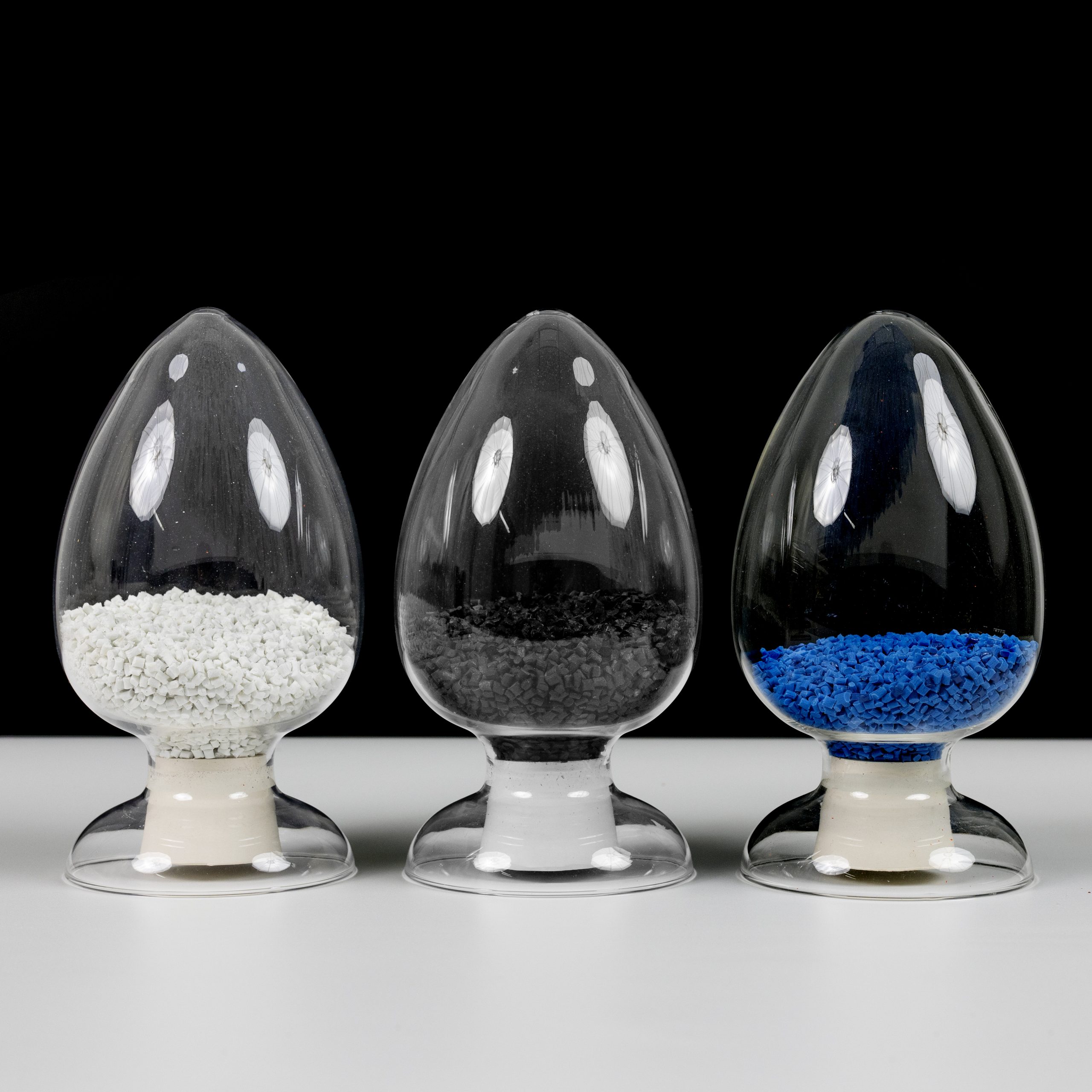
Sind Sie bereit für die Beschaffung? Nylonplastic liefert alle in diesem Leitfaden behandelten Werkstoffe – sowohl in Standard- als auch in kundenspezifischen Ausführungen – in nach IATF 16949, ISO 9001 und ISO 14001 zertifizierter Qualität. Angebot anfordern →

