Nylon ist ein praxisnahes ingenieurwissenschaftliches Thema, wenn man verschiedene Optionen vergleichen, Grenzwerte prüfen und einen Prozess mit geringerem Risiko auswählen muss.
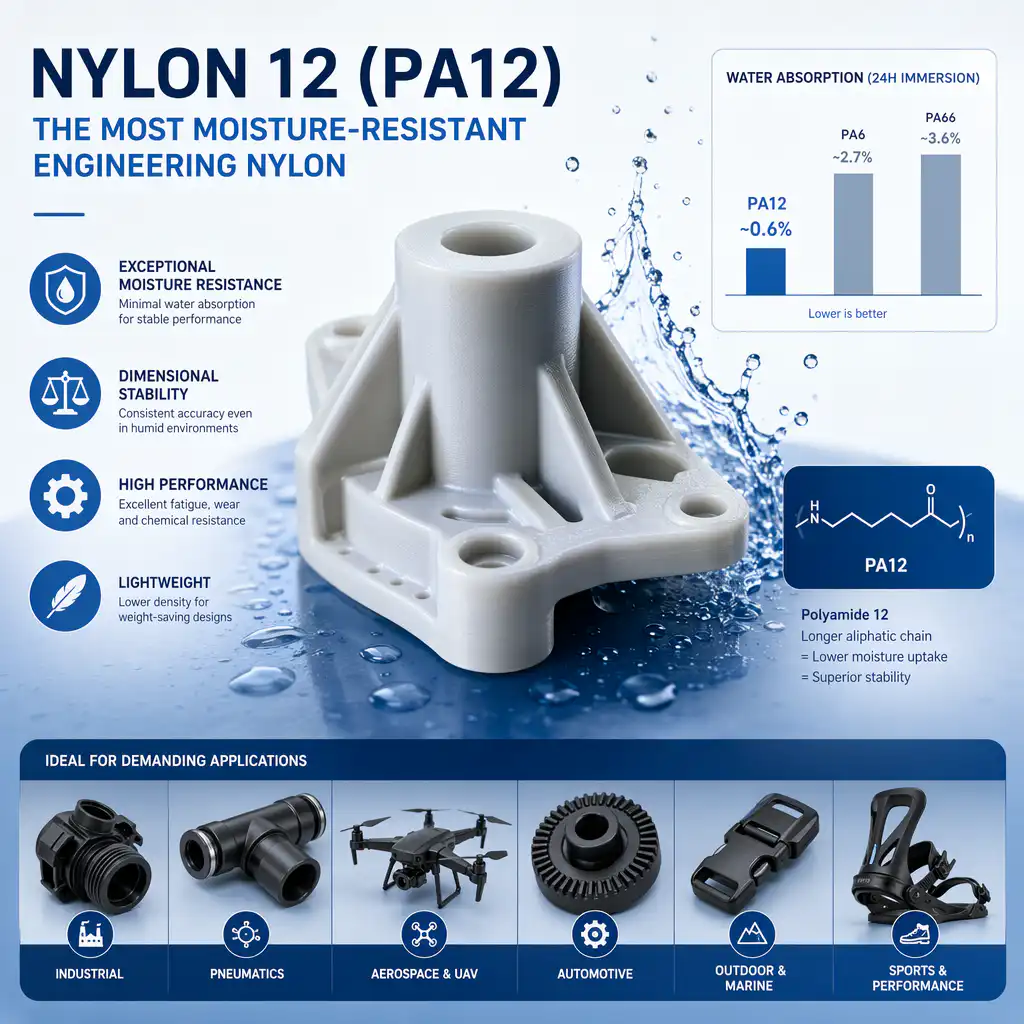
PA12 (Polyamid 12), allgemein bekannt als Nylon 12, zeichnet sich durch seine außergewöhnlich geringe Feuchtigkeitsaufnahme aus. Während PA6 bei Sättigung bis zu 9% und PA66 8–9% Feuchtigkeit aufnimmt, nimmt PA12 maximal nur 0,9% auf – was es zur ersten Wahl für Anwendungen macht, die Formstabilität in feuchten, nassen oder unter Wasser liegenden Umgebungen erfordern.
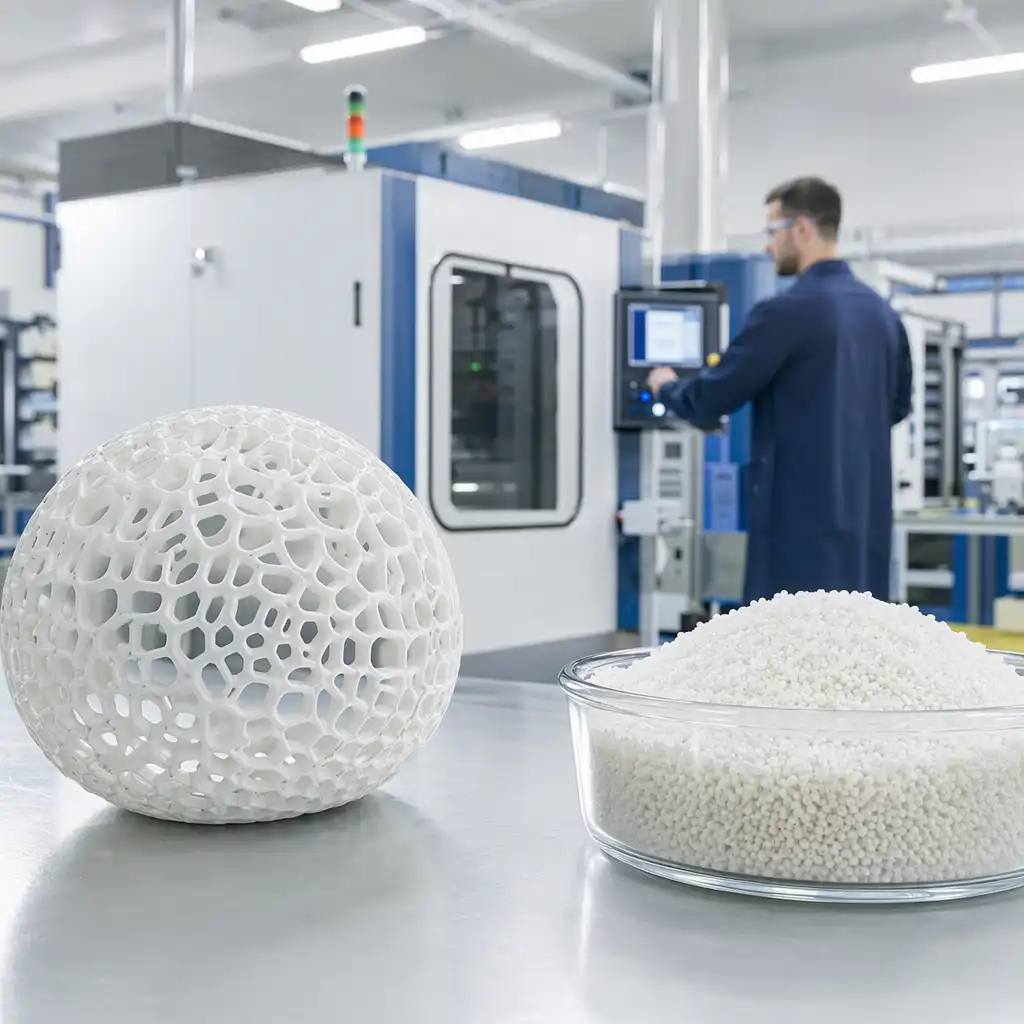
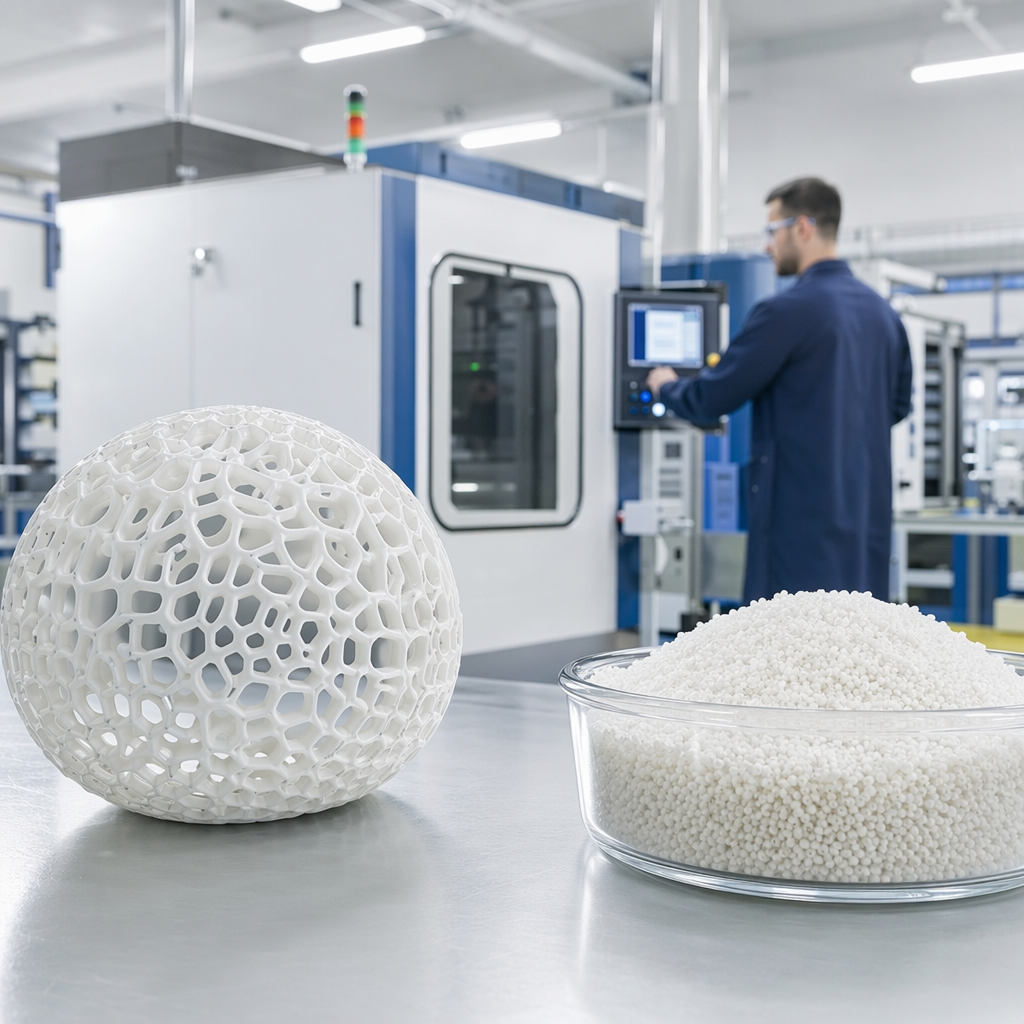
Wichtigste Eigenschaften von PA12
Die Feuchtigkeitsaufnahme von PA12 beträgt maximal nur 0,91 TP3T (10-mal geringer als bei PA6/PA66), bei einem Schmelzpunkt von 178–180 °C und einer kurzfristigen Dauerbetriebstemperatur von bis zu 130 °C. Die Schlagzähigkeit erreicht 30–40 kJ/m² und bleibt auch bei -40 °C erhalten. Die chemische Beständigkeit gegenüber Kraftstoffen, Ölen und Bremsflüssigkeiten ist ausgezeichnet. Unser PA12-CF30 sorgt für verbesserte mechanische Eigenschaften.
Anwendungen
PA12 wird in Kraftstoffsystemen für Kraftfahrzeuge (gemäß SAE J844 und ISO 13775), in Schiffsausrüstung und Unterwasserkabeln, in Pneumatiksystemen, in medizinischen Geräten sowie in kryogenen Anwendungen eingesetzt.
PA12 vs PA6 and PA66: Selection Boundaries
PA12 is a long-chain polyamide with fewer amide groups per unit length than PA6 or PA66. That molecular structure reduces water uptake and gives PA12 better dimensional stability, chemical resistance and low-temperature toughness, but it also lowers stiffness and heat capability compared with many PA66 grades. The correct choice depends on the conditioned part, not only the dry datasheet.
| Decision factor | PA12 | PA6 / PA66 | Selection implication |
|---|---|---|---|
| Moisture response | Low for a nylon; dimensions and properties change less in humidity | Higher absorption, especially PA6 | Favor PA12 for tubing, seals and precision parts exposed to water or changing humidity |
| Stiffness and heat | Lower unfilled stiffness and melting temperature | PA66 generally offers higher heat and structural capability | Use PA6/PA66 when load and temperature dominate; consider reinforced PA12 when moisture stability must be retained |
| Low-temperature toughness | Remains flexible and impact resistant at low temperature | Grade-dependent and generally less flexible | PA12 suits pneumatic lines, cable protection and cold-service parts |
| Cost and availability | Usually higher resin cost and fewer commodity grades | Broader supply base and often lower cost | Specify PA12 only when its environmental stability creates measurable value |
Do not treat values from different suppliers as interchangeable. Water absorption, tensile properties and impact results vary with specimen thickness, conditioning, test method, reinforcement and temperature. Use supplier data to shortlist a grade, then validate the actual molded, machined or printed part under its service condition.
PA12 Processing and Manufacturing Routes
PA12 can be injection molded for repeat production, CNC machined from stock shapes for low-volume precision parts, extruded into tubing, or processed by powder-bed fusion and filament printing for prototypes and complex low-volume components. Each route produces different orientation, porosity, surface finish and dimensional behavior.
- Spritzguss: control drying, melt residence time, gate location, shrinkage and cooling balance. Reinforced grades can reduce shrinkage but introduce fiber orientation and anisotropy.
- CNC-Bearbeitung: confirm stock condition, internal stress, workholding and free-state inspection. Thin PA12 parts can move after unclamping.
- Powder-bed fusion: define powder grade, refresh ratio, build orientation, density, surface finishing and dimensional allowance.
- Filament printing: specify drying, nozzle capability, enclosure conditions, layer orientation and whether the result is a prototype or a production-qualified part.
PA12 Grade and RFQ Specification Checklist
| RFQ item | Information to provide | Why it matters |
|---|---|---|
| Material identity | Exact PA12 grade, reinforcement, impact or UV package, color and regulatory requirements | “PA12” alone does not define mechanical, thermal or compliance performance |
| Service environment | Temperature range, fuel or chemical exposure, humidity, pressure, UV and expected life | Determines whether PA12 is preferable to PA6, PA66, PBT or another polymer |
| Functional requirements | Load, flexibility, burst pressure, wear, sealing, dielectric behavior and critical dimensions | Connects the material choice to measurable acceptance criteria |
| Herstellungsverfahren | Molding, extrusion, machining or additive process; annual quantity and target lead time | Controls grade form, tolerances, tooling and unit economics |
| Quality evidence | Material certificate, dimensional report, conditioning state, sampling plan and functional tests | Defines how the supplier will prove conformity before shipment |
When a specification calls for fuel contact, pressure tubing or a regulated application, identify the exact standard and test condition instead of using a general claim such as “fuel resistant” or “medical grade.” Compatibility depends on fluid composition, temperature, stress, exposure time and additives. Likewise, a resin declaration does not automatically qualify the finished part: colorants, processing aids, recycled content, cleaning and manufacturing records may affect compliance. Ask the supplier to map each required document and functional test to the proposed grade and production process before tooling or batch approval.
Common failure modes include approving dimensions without a conditioning state, substituting an unverified reinforced grade, ignoring permeation or long-term chemical exposure, and applying prototype results directly to a production process. Record deviations and requalification triggers so later resin, color, tooling or process changes cannot bypass engineering review. A useful PA12 approval plan links the material certificate, processing record, dimensional inspection and service-specific functional test to the same production lot.
PA12-Werkstoffe
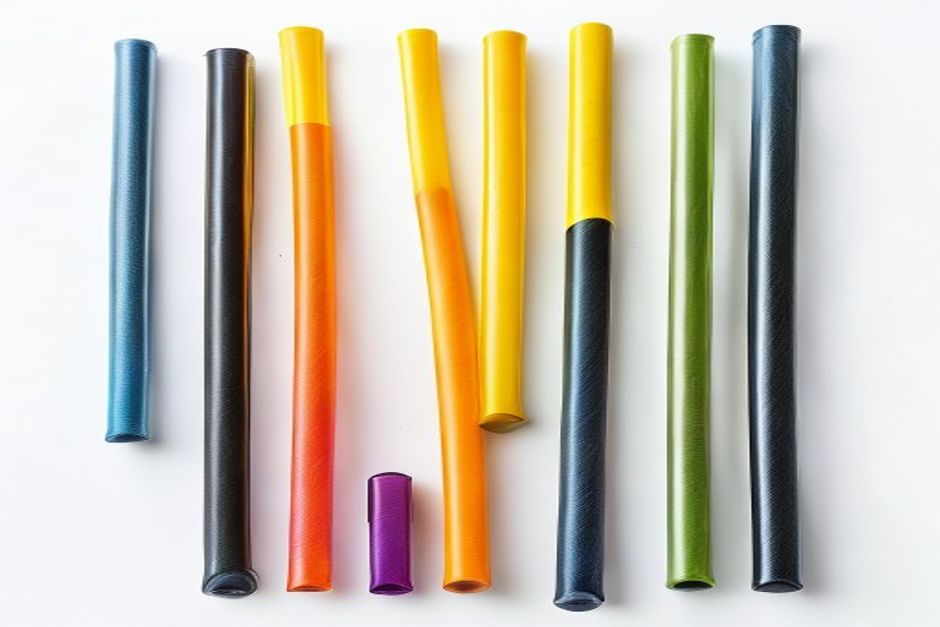
Als spezialisierter Rohstoffhersteller liefern wir PA12 in Form von Stäben, Platten und Rohren für die CNC-Bearbeitung sowie als Filament für den 3D-Druck. Kontakt für PA12-Muster und Preisangaben.
FAQ
Woher weiß man, ob Nylon 12 (PA12) – das feuchtigkeitsbeständigste technische Nylon – für ein Bauteil geeignet ist?
Nylon 12 (PA12) – Das feuchtigkeitsbeständigste technische Nylon eignet sich für ein Bauteil, wenn seine Belastbarkeit, sein Temperaturbereich, seine Feuchtigkeitsbeständigkeit, sein Verschleißverhalten und sein Verarbeitungsverfahren den tatsächlichen Einsatzbedingungen entsprechen.
Welche Eigenschaften sollten bei Nylon 12 (PA12) – dem feuchtigkeitsbeständigsten technischen Nylon – geprüft werden?
Prüfen Sie Festigkeit, Steifigkeit, Schlagfestigkeit, Hitzebeständigkeit, Feuchtigkeitsaufnahme, Formstabilität, Reibung, Verschleiß und chemische Verträglichkeit.
Was ist das größte Auswährungsrisiko bei Nylon 12 (PA12) – dem feuchtigkeitsbeständigsten technischen Nylon?
Das größte Risiko besteht darin, sich auf einen Wert aus dem Datenblatt zu verlassen, ohne die tatsächlichen Umgebungsbedingungen, das Verarbeitungsverfahren, die Bauteilgeometrie und die langfristige Nutzung zu berücksichtigen.
Wann sollte Nylon 12 (PA12) – das feuchtigkeitsbeständigste technische Nylon – vor der Produktion getestet werden?
Prüfungen werden empfohlen, wenn das Bauteil Belastungen, Hitze, Chemikalien, Feuchtigkeit, engen Toleranzen, gesetzlichen Anforderungen oder einer neuen Betriebsumgebung ausgesetzt ist.