Industry-Specific ist ein praxisnahes ingenieurwissenschaftliches Thema, wenn man verschiedene Optionen vergleichen, Grenzwerte prüfen und einen Prozess mit geringerem Risiko auswählen muss.
Branchenspezifische Anforderungen an Formen für Nylon-Anwendungen vary with resin behavior, tolerance needs, durability targets, and end-use conditions.
A mold designed for automotive under-hood components differs dramatically from one built for medical device housings. While injection molding fundamentals remain constant, each industry imposes unique requirements on mold design, material selection, quality systems, and documentation.
Automotive Industry Requirements

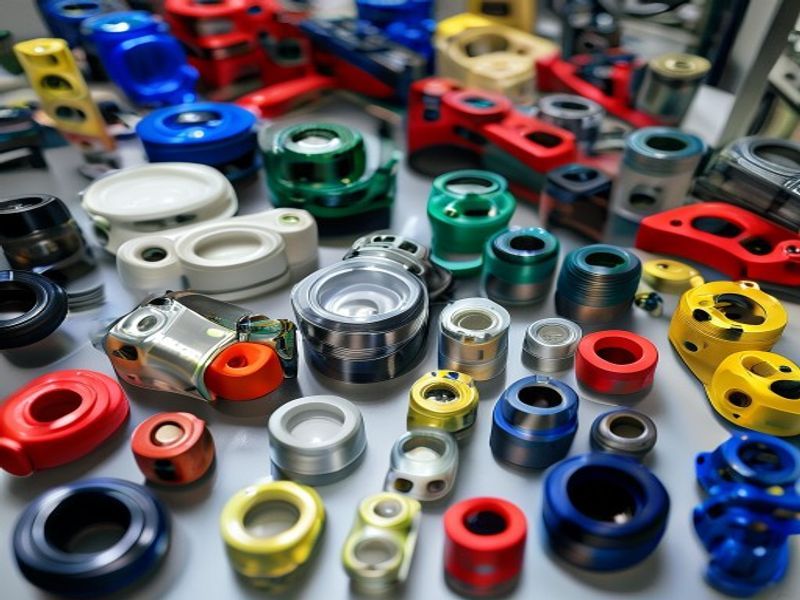
Automotive molds require robust construction for high-cavity counts and long production runs. Multi-cavity molds (4-32 cavities) with hot runner systems maximize throughput. Steel selection typically involves hardened tool steel (H13, S7) for abrasion resistance with glass-filled nylons. Statistical process control (SPC) and PPAP documentation are mandatory.
Medical Device Requirements
Electronics Industry Requirements
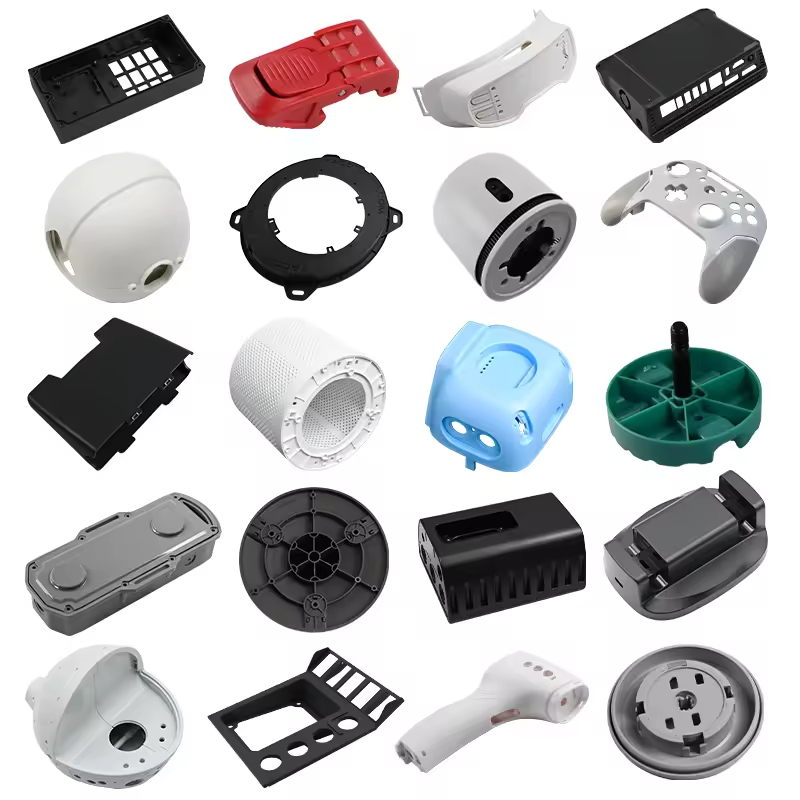
Electronics molds often incorporate intricate details for snaps, clips, and mounting features. Tolerances are tight to ensure proper fit with electronic components. When using flame-retardant or conductive nylons, consider material abrasiveness and select mold materials accordingly. Surface finish requirements vary—textured finishes may hide scratches while polished surfaces improve EMI coating adhesion.
Consumer Products Requirements
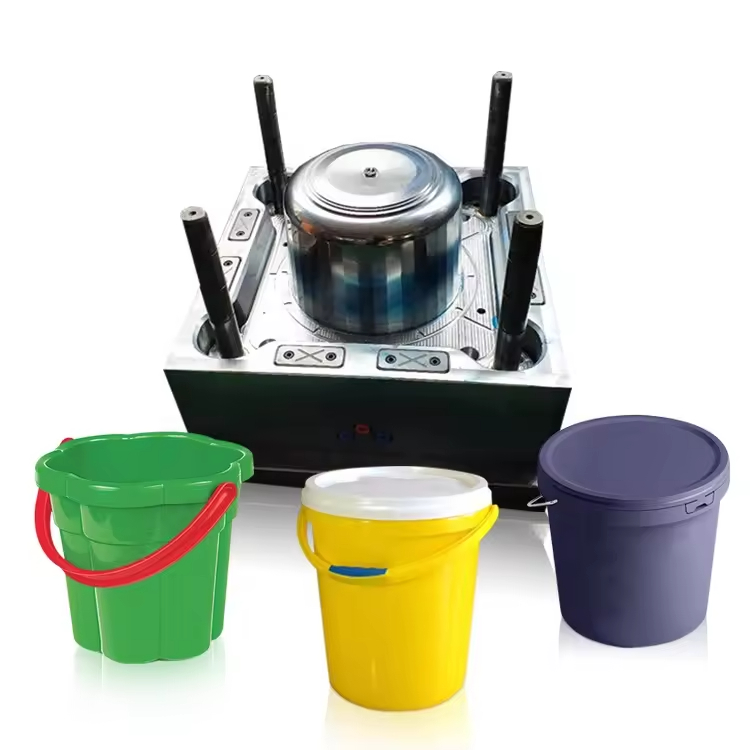
Consumer product molds balance cost and capability. Family molds producing multiple parts in one shot reduce tooling investment. Surface finishes range from high-gloss polish to custom textures—requiring proper draft angles and ejection design. Color changes may be frequent, influencing runner system selection.
| Anforderung | Automobilindustrie | Medizinische | Elektronik | Consumer |
|---|---|---|---|---|
| Typical volume | 100K-1M+ | 10K-500K | 50K-2M | 25K-500K |
| Mold life target | 1M+ cycles | 500K cycles | 500K-1M | 250K-500K |
| Dokumentation | PPAP Level 3-5 | Full DHR, validation | PPAP, UL testing | Basic quality records |
FAQ
When does Industry-Specific Mold Requirements for Nylon Applications make sense?
Industry-Specific Mold Requirements for Nylon Applications makes sense when the part volume, material choice, geometry, and repeatability needs justify mold design and tooling investment.
What design factors matter most for Industry-Specific Mold Requirements for Nylon Applications?
Wandstärke, Rippen, Vorsprünge, Entformungsschräge, Angussposition, Schrumpfung, Trennfuge und Auswurf – all diese Faktoren beeinflussen die Qualität des Formteils.
Welche Informationen werden vor der Formenherstellung benötigt?
Der Lieferant sollte das 3D-Modell, das Material, das voraussichtliche Jahresvolumen, die Anforderungen an das Erscheinungsbild, die Toleranzanforderungen sowie etwaige Anforderungen an die Montage oder Funktionsprüfungen bestätigen.
What is the biggest risk in Industry-Specific Mold Requirements for Nylon Applications?
Das größte Risiko besteht darin, die Werkzeuge freizugeben, bevor das Materialverhalten, der Schwund, der Fließverhalten und die Funktion des Bauteils im Hinblick auf die tatsächliche Anwendung vollständig überprüft wurden.