
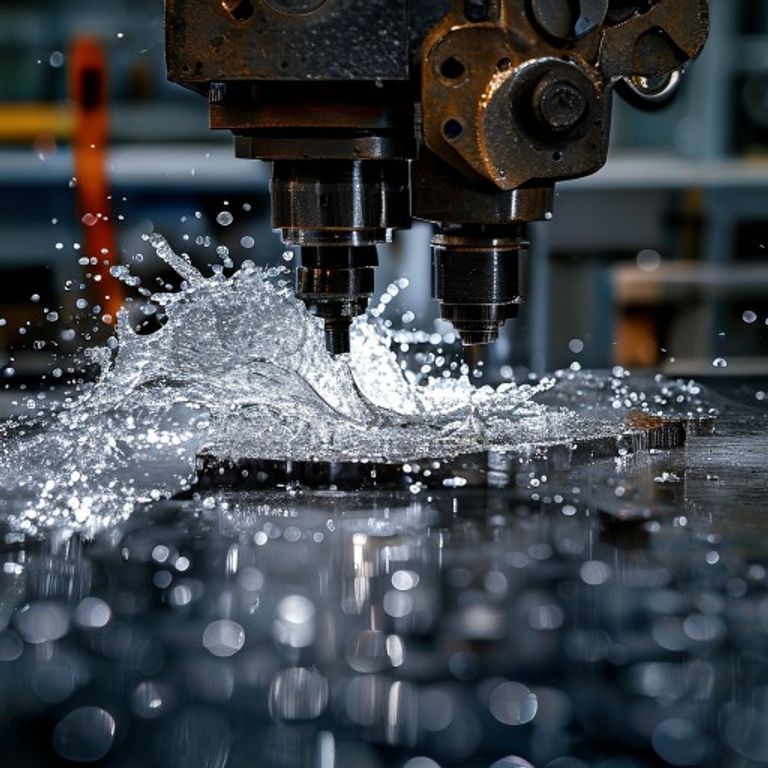
Das CNC-Fräsen ist eines der vielseitigsten und am häufigsten eingesetzten subtraktiven Fertigungsverfahren in der modernen Industrie. Dabei wird mithilfe computergesteuerter rotierender Schneidwerkzeuge Material von einem Werkstück abgetragen, wodurch Präzisionsteile mit komplexen Geometrien, engen Toleranzen und hervorragender Oberflächengüte hergestellt werden. Von der einfachen 3-Achsen-Konturbearbeitung bis hin zur fortschrittlichen 5-Achsen-Simultanbearbeitung decken CNC-Fräsdienstleistungen ein enormes Anwendungsspektrum in den Bereichen Luft- und Raumfahrt, Automobilindustrie, Medizintechnik, Elektronik und Industrieausrüstung ab.

So funktioniert das CNC-Fräsen
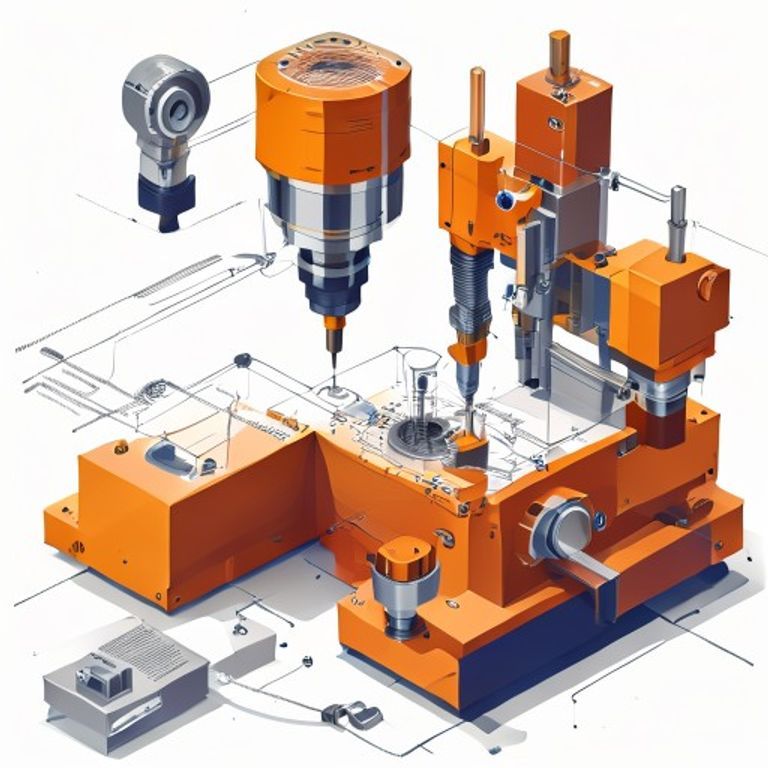
3-Achsen- vs. 4-Achsen- vs. 5-Achsen-CNC-Fräsen
| Fähigkeit | 3-Achsen | 4-Achsen | 5-Achsen |
|---|---|---|---|
| Bewegungsachsen | X, Y, Z linear | X, Y, Z + 1 Drehung (A oder B) | X, Y, Z + 2 Drehachsen (A, B oder C) |
| Komplexität | Ebene Flächen, Vertiefungen, einfache Konturen | Zylindrische Elemente, Nocken, Schlitze auf Bögen | Hohlkehlen, Turbinenschaufeln, Laufräder, komplexe Freiformen |
| Anzahl der Installationen | Mehrere Einrichtungsvarianten für komplexe Teile | Weniger Konfigurationen, mehrere Funktionen in einer Konfiguration | Einmalige Einrichtung für die meisten Teile |
| Toleranz | ISO 2768-m / ±0,05 mm | ±0,02 mm erreichbar | ±0,005 mm / GD&T erreichbar |
| Am besten für | Halterungen, Gehäuse, Platten, einfache Formen | Wellenmerkmale, außermittige Bohrungen, schraubenförmige Nuten | Luft- und Raumfahrtkomponenten, medizinische Implantate, Turbinenteile |
Die wichtigsten Vorteile von CNC-Fräsdienstleistungen
Hohe Präzision und Wiederholgenauigkeit
Das CNC-Fräsen gewährleistet auf 5-Achs-Maschinen eine Maßgenauigkeit von ±0,005 mm bei hervorragender Wiederholgenauigkeit von Teil zu Teil. Dieses Maß an Präzision ist für Bauteile in der Luft- und Raumfahrt, Komponenten für medizinische Geräte sowie Präzisionsgetriebegehäuse unerlässlich, bei denen die Maßhaltigkeit direkten Einfluss auf Leistung und Sicherheit hat.
Fähigkeit zur Bearbeitung komplexer Geometrien
Mit der 5-Achsen-CNC-Fräsbearbeitung lassen sich Bauteile mit Hinterschneidungen, Freiformflächen und komplexen 3D-Konturen herstellen, die mit 3-Achsen-Maschinen oder bei der manuellen Bearbeitung nicht realisierbar wären. Turbinenschaufeln, Laufräder, medizinische Implantate und Strukturbauteile für die Luft- und Raumfahrt gehören zu den typischen Anwendungsbereichen der 5-Achsen-Fräsbearbeitung.
Breites Materialspektrum
CNC-Fräsdienstleistungen sind für nahezu alle bearbeitbaren Werkstoffe geeignet: Aluminiumlegierungen (6061, 7075), Stahl (303, 304, 4140), Titan, Kupfer, Messing sowie die gesamte Palette an technischen Kunststoffen, darunter Nylon (PA6, PA66), POM, PEEK, PC, PTFE, UHMWPE und Acryl. Das Fräsen von Kunststoffen erfordert spezielle Werkzeuggeometrien, Schnittgeschwindigkeiten und Kühlstrategien, um ein Schmelzen, Ausbrechen oder die Bildung von Graten zu vermeiden.
Schnelle Umsetzung und Skalierbarkeit
Von einzelnen Prototypen bis hin zu Serienauflagen von über 10.000 Stück – die CNC-Fräsbearbeitung lässt sich effizient skalieren. Prototypen können innerhalb von 5 Werktagen versandt werden, und Serienaufträge profitieren von optimierten Spannvorrichtungen, der Chargenbearbeitung und automatisierten Werkzeugwechseln, wodurch die Stückkosten auch bei höheren Stückzahlen wettbewerbsfähig bleiben.
Leitfaden zu Werkstoffen für die CNC-Fräsbearbeitung
| Material | Bearbeitbarkeit | Wichtige Eigenschaften | Gemeinsame Anwendungen |
|---|---|---|---|
| Aluminium 6061-T6 | Ausgezeichnet | Leicht, hohe Festigkeit, korrosionsbeständig | Halterungen, Gehäuse, Kühlkörper, Automobilteile |
| Rostfreier Stahl 304 | Mäßig | Korrosionsbeständig, hygienisch, robust | Medizinprodukte, Lebensmittelverarbeitung, Schiffsausrüstung |
| Nylon PA66 | Gut | Verschleißfest, selbstschmierend, zäh | Zahnräder, Buchsen, Lager, Verschleißleisten |
| POM (Delrin) | Ausgezeichnet | Geringe Reibung, hohe Steifigkeit, Formstabilität | Präzisionszahnräder, Ventilkörper, Förderbandkomponenten |
| PEEK | Schwierig | Hochtemperaturbeständig (260 °C), chemikalienbeständig, biokompatibel | Dichtungen für die Luft- und Raumfahrt, medizinische Implantate, Halbleiterbauteile |
| Titan Ti-6Al-4V | Schwierig | Hohes Festigkeits-Gewichts-Verhältnis, korrosionsbeständig, biokompatibel | Flugzeug- und Raumfahrtkonstruktionen, medizinische Implantate, Sportausrüstung |
Häufige Anwendungsbereiche der CNC-Fräsbearbeitung
- Luft- und Raumfahrt: Turbinenschaufeln, Befestigungshalterungen, Flugsteuerungskomponenten, Teile des Kraftstoffsystems
- Automobilindustrie: Motorkomponenten, Getriebegehäuse, Fahrwerksteile, Sonderhalterungen
- Medizin: Griffe für chirurgische Instrumente, Implantat-Prototypen, Gehäuse für Diagnosegeräte, orthopädische Komponenten
- Elektronik: Leiterplattengehäuse, Steckverbinderblöcke, Kühlkörper, EMI-Abschirmgehäuse
- Industriell: Pumpengehäuse, Ventilkörper, Getriebe, Sonderwerkzeuge und s
- Prototypenentwicklung: Schnelle Konzeptvalidierung, Baugruppen zur Passformprüfung, Funktionsprüfstände
CNC-Fräsen im Vergleich zu anderen Bearbeitungsverfahren
Im Vergleich zum CNC-Drehen eignet sich das Fräsen besonders gut für die Herstellung von ebenen Flächen, Taschen, Nuten und komplexen 3D-Profilen, während das Drehen besser für zylindrische Teile wie Wellen und Buchsen geeignet ist. Im Vergleich zur Funkenerosion ist das Fräsen bei den meisten Geometrien schneller, erreicht jedoch bei gehärteten Werkstoffen oder sehr dünnen Strukturen nicht das gleiche Maß an Präzision. Im Vergleich zum Wasserstrahlschneiden bietet das Fräsen eine bessere Maßgenauigkeit und Oberflächengüte, obwohl das Wasserstrahlschneiden dickere Bleche und härtere Werkstoffe ohne thermische Verformung bearbeiten kann. Das CNC-Fräsen bleibt das vielseitigste subtraktive Verfahren für die Fertigung von Präzisionsteilen.
FAQ
Wann sind CNC-Fräsdienstleistungen – präzise 3- bis 5-Achsen-Bearbeitung komplexer Bauteile – die richtige Wahl?
CNC-Fräsdienstleistungen: Präzisionsbearbeitung mit 3 bis 5 Achsen für komplexe Bauteile ist die richtige Wahl, wenn das Bauteil hohe Bearbeitungsgenauigkeit, kontrollierte Oberflächen, wiederholbare Merkmale und ein Material erfordert, das sich zuverlässig bearbeiten lässt.
Was sollte vor der Beauftragung von CNC-Fräsdienstleistungen – Präzisionsbearbeitung mit 3 bis 5 Achsen für komplexe Bauteile – geklärt werden?
Bestätigen Sie die Zeichnungsversion, die Materialqualität, die Toleranzen, die Menge, die kritischen Maße, die Oberflächenbeschaffenheit und die Prüfanforderungen, bevor Sie mit der Produktion beginnen.
Was bestimmt in der Regel die Kosten bei CNC-Fräsdienstleistungen: Präzisionsbearbeitung mit 3–5 Achsen für komplexe Bauteile?
Die Kosten werden in der Regel durch Material, Rüstzeit, Maschinenzeit, Toleranzschwierigkeiten, Vorrichtungen, Werkzeugzugang, Endbearbeitung, Inspektion und Auftragsmenge bestimmt.
Wie lassen sich Qualitätsrisiken bei CNC-Fräsdienstleistungen – Präzisionsbearbeitung mit 3 bis 5 Achsen für komplexe Bauteile – reduzieren?
Das Qualitätsrisiko wird durch die eindeutige Kennzeichnung kritischer Merkmale, die Vermeidung unnötig enger Toleranzen, die frühzeitige Bestätigung der Herstellbarkeit und die Verwendung von Prüfdaten für wichtige Abmessungen verringert.

