
Wie sich Nylon und verstärkte Nylonsorten im Motorraum von Kraftfahrzeugen bewähren – Wärmebeständigkeit, Beständigkeit gegen Flüssigkeiten, Gewichtsreduzierung und Anwendungsbeispiele.
Die Rolle von Nylon in der modernen Automobiltechnik
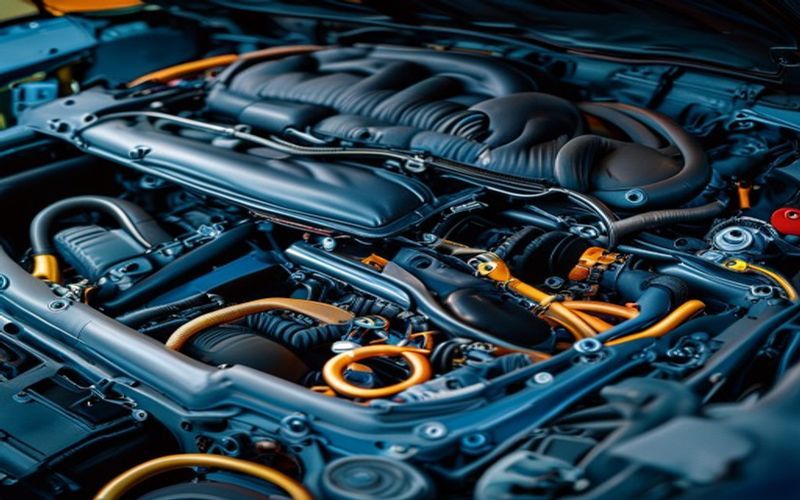
Die Automobilindustrie ist der mit Abstand größte Endverbrauchermarkt für technische Kunststoffe, und Nylon spielt bei diesem Wachstum eine zentrale Rolle. Seit den 1980er Jahren hat Nylon Metall im Motorraum zunehmend ersetzt, wodurch das Fahrzeuggewicht reduziert, die Montage vereinfacht und die Kosten gesenkt wurden. Heute enthält ein typisches Fahrzeug 35 bis 50 kg Nylonkomponenten – von Motorabdeckungen über Kraftstoffleitungen bis hin zu Ansaugkrümmern.
Der Umstieg auf Elektrofahrzeuge (EVs) hat den Einsatz von Nylon beschleunigt. Gehäuse für EV-Batterien, Kühlsysteme für Leistungselektronik und Motorkomponenten schaffen neue, anspruchsvolle Anwendungsbereiche, in denen die elektrischen, thermischen und flammhemmenden Eigenschaften von Nylon unverzichtbar sind.
Wärmeverhalten im Motorraum
Die Temperaturen im Motorraum unter der Motorhaube stellen große thermische Herausforderungen dar:
Temperaturzonen (typisches Benzinfahrzeug):
| Standort | Kontinuierliche Temperatur | Höchsttemperatur |
|---|---|---|
| In der Nähe des Motorblocks | 120–150 °C | 180 °C |
| Ansaugkrümmer | 130–180 °C | 220 °C |
| Motorabdeckung | 100–130 °C | 160 °C |
| Kühlerbereich | 85–105 °C | 130 °C |
|---|---|---|
| Unter dem Fahrzeug | -40 bis 90 °C | 120 °C |
Werkstoffauswahl nach Temperaturzone:
- 120–150 °C-Bereich (Bereich des Motorblocks): PA66-GF30 (HDT 250 °C) ist der Standard. Durch die Glasfaserverstärkung bleiben die mechanischen Eigenschaften bei diesen Temperaturen erhalten.
- 150–180 °C-Bereich (Ansaugkrümmer): PA66-GF30 oder PPA (Polyphthalamid). Herkömmliches PA66 verliert bei Temperaturen über 160 °C erheblich an Festigkeit.
- 85–120 °C-Bereich (Kühler, Kühlmittelrohre): PA66-GF30 oder PA6-GF30 sind ausreichend.
- Kühlung von Elektrofahrzeug-Batterien (60–80 °C): PA66-GF30 oder PA6-GF30 – hervorragend.
Thermische Alterung:
Nylon verliert bei erhöhten Temperaturen mit der Zeit an Festigkeit. PA66-GF30 behält nach 1.000 Stunden bei 150 °C etwa 60% seiner ursprünglichen Zugfestigkeit bei. Konstrukteure müssen die thermische Alterung bei Anwendungen mit langer Lebensdauer (15 Jahre geplante Lebensdauer eines Fahrzeugs) berücksichtigen. Kurzfristige Spitzentemperaturen sind tolerierbar; erst die dauerhafte Einwirkung hoher Temperaturen führt zu einer Verschlechterung der Eigenschaften.
Flüssigkeitsbeständigkeit für Fahrzeugsysteme
Im Motorraum von Kraftfahrzeugen sind die Bauteile komplexen Flüssigkeitsgemischen ausgesetzt:
Kritische Flüssigkeiten und Nylon-Verträglichkeit:
| Flüssigkeit | Nylon PA66 | Nylon PA12 | Anmerkungen |
|---|---|---|---|
| Motoröl (alle Sorten) | Ausgezeichnet | Ausgezeichnet | Standardmäßige Verwendung |
| Kühlmittel (50/50 Glykol/Wasser) | Ausgezeichnet | Ausgezeichnet | Standardmäßige Verwendung |
| ATF (Automatikgetriebe) | Ausgezeichnet | Ausgezeichnet | Standardmäßige Verwendung |
| Servolenkungsflüssigkeit | Ausgezeichnet | Ausgezeichnet | Standardmäßige Verwendung |
| Bremsflüssigkeit (DOT 3/4) | Gut | Ausgezeichnet | PA12 bevorzugt |
| Scheibenwaschflüssigkeit | Ausgezeichnet | Ausgezeichnet | Standardmäßige Verwendung |
|---|---|---|---|
| AdBlue (Harnstofflösung) | Gut | Ausgezeichnet | Komponenten des DEF-Systems |
Kraftstoffsystem:
PA12 hat sich aufgrund seiner einzigartigen Kombination aus folgenden Eigenschaften zum weltweiten Standard für Kraftstoffleitungen im Automobilbereich entwickelt:
– Hervorragende Kraftstoffbeständigkeit (Benzin, Ethanolgemische, Diesel)
– Geringe Feuchtigkeitsaufnahme (verhindert das Einfrieren der Kraftstoffleitung in kalten Klimazonen)
– Flexibilität bei der Verlegung um Motorkomponenten herum
– Eignung für das Extrudieren und Blasformen zu komplexen Querschnitten
Kraftstoffleitungen aus Metall (Stahl, Aluminium) werden zunehmend durch mehrschichtige PA12-Kraftstoffleitungen mit EVOH-Sperrschichten ersetzt, um das Eindringen von Kraftstoffdämpfen zu verhindern.
Gewichtsreduzierung und Kostenvorteile
Das unermüdliche Streben der Automobilindustrie nach Kraftstoffeffizienz und Reichweite bei Elektrofahrzeugen treibt die Substitution von Werkstoffen voran:
Gewichtsvergleich: Metall vs. Nylon:
| Komponente | Stahl (g) | Aluminium (g) | Nylon-GF30 (g) | Gewichtsersparnis |
|---|---|---|---|---|
| Ansaugkrümmer | 3,200 | 1,800 | 950 | 70% im Vergleich zu Stahl |
| Motorabdeckung | 4,500 | 2,800 | 1,600 | 64% im Vergleich zu Stahl |
| Ventildeckel | 2,800 | 1,600 | 850 | 70% im Vergleich zu Stahl |
|---|---|---|---|---|
| Batteriegehäuse (EV) | 45,000 | 22,000 | 14,000 | 69% im Vergleich zu Aluminium |
Kostenvergleich:
Zwar ist Nylonharz pro Kilogramm teurer als Stahl oder Aluminium, doch sprechen die Gesamtsystemkosten oft für Kunststoffe:
- Werkzeugkosten: Spritzgussformen kosten $50.000–500.000 gegenüber $200.000–2.000.000 beim Druckguss
- Montage: Durch Steckverbindungen entfallen Befestigungselemente und der Montageaufwand wird um 60–80% reduziert.
- Anzahl der Teile: Mehrfachformen ermöglichen die Herstellung mehrerer Teile in einem Arbeitsgang
- Sekundäre Arbeitsgänge: Nylonteile müssen in der Regel weder lackiert noch nachbearbeitet werden (natürliche Farbvarianten)
Bei Fahrzeugen mit hohen Stückzahlen (über 100.000 Einheiten pro Jahr) ermöglichen Nylonbauteile im Vergleich zu entsprechenden Metallbauteilen in der Regel Einsparungen bei den Gesamtsystemkosten in Höhe von 20–40%.
Spezifische Anwendungen für Elektrofahrzeuge
Elektrofahrzeuge eröffnen neue Anwendungsmöglichkeiten für Nylon, die über den herkömmlichen Einsatz im Motorraum hinausgehen:
Komponenten des Akkupacks:
- Zellhalter und Modulrahmen: PA66-GF30 mit Flammschutzklasse UL94 V-0. Strukturelle Steifigkeit bei einer Dauerbatterietemperatur von 80–100 °C. Anforderungen an den Schutz vor thermischem Durchgehen fördern den Einsatz von intumeszierenden Nylon-Typen.
- Rahmen und Kanäle für Kühlplatten: PA66-GF30 für Kühlmittelverteilerrahmen. Hervorragende Beständigkeit gegenüber Kühlmitteln (Wasser/Ethylenglykol). Komplexe Geometrien ermöglichen integrierte Strömungswege.
- Hochspannungssteckverbindergehäuse: PA66-FR (flammhemmend) mit einem CTI (Comparative Tracking Index) >600 V. Der CTI ist der entscheidende Parameter für Hochspannungssteckverbinder.
Leistungselektronik:
- Gehäuse für Wechselrichter und Umrichter: PA66-GF30 oder PPA mit wärmeleitenden Füllstoffen zur Wärmeableitung. Einpressen von Metalleinsätzen zur EMV-Abschirmung.
- Komponenten des Bordladegeräts (OBC): PA66-FR mit hoher HDT für das Wärmemanagement in der Nähe von Wärmequellen.
Motorkomponenten:
- Motorgehäuse und Halterungen: PA66-GF30 oder PA6-GF30 für tragende Motorlager. Bessere Schwingungs- und Geräuschdämpfung als Aluminium.
- Steckverbinder für Kabelbäume: PA66-GR (glasfaserverstärkt) mit hervorragenden elektrischen Eigenschaften.
Brandschutzvorschriften:
Komponenten für Elektrofahrzeug-Batterien erfordern flammhemmende Werkstoffe, die folgende Anforderungen erfüllen:
– Mindestens UL94-Klassifizierung V-0
– Glühdraht-Zündtemperatur (GWIT) > 775 °C
– Geringe Rauchtoxizität (die europäischen Eisenbahnnormen EN 45545 werden zunehmend auch für Elektrofahrzeuge übernommen)
Wichtige technische Daten und Güteklassen im Automobilbereich
Automobil-Erstausrüster legen Nylon-Typen anhand strenger Materialspezifikationen fest:
Gängige Spezifikationen für Nylon in der Automobilindustrie:
| Spezifikation | Benötigtes Material | Wesentliche Anforderungen |
|---|---|---|
| GMW 3059 (GM) | PA66-GF30 | Thermische Alterung, Beständigkeit gegen Flüssigkeiten |
| PSA D5554300 | PA66-GF30 | Motorraum, Kühlmittelbeständigkeit |
| VW 50123 | PA66-GF30 | Kraftstoffbeständigkeit, thermische Alterung |
| BMW GS 97016 | PA66-GF30/GF35 | Beständigkeit gegen verschiedene Flüssigkeiten |
|---|---|---|
| Continental / Continental | PA12 | Kraftstoffleitungen, mehrschichtige Coextrusion |
Wichtige Leistungstests:
- Thermisch-oxidative Alterung (1.500 Stunden bei 150 °C entsprechen mehr als 10 Jahren unter der Motorhaube)
- Flüssigkeitsimmersion (1000 h in Motoröl, Kühlmittel und Automatikgetriebeöl bei Betriebstemperatur)
- Ermüdung durch Schwingungen (100 Hz, 10⁶–10⁷ Schwingungen)
- Kriechverhalten bei Temperatur (1000 h bei 120 °C unter Belastung)
- Flammhemmung (UL94, FMVSS 302 für den Innenraum)
Die Kompetenz von nylonplastic.com im Automobilbereich:
Wir liefern PA6-CF- und PA66-GF-Werkstoffe, die die wichtigsten Spezifikationen der Automobilindustrie für nicht sicherheitsrelevante Bauteile erfüllen. Für sicherheitskritische Anwendungen (Kraftstoffleitungen, Bremskomponenten) dienen unsere Werkstoffe – vorbehaltlich kundenspezifischer Qualifizierungsprüfungen – als qualifizierte Alternativen zu Premium-Marken.
FAQ
Woher weiß man, ob „Nylon für Automobilanwendungen: Leistung unter der Motorhaube“ für ein Bauteil geeignet ist?
Nylon für Automobilanwendungen: Leistung unter der Motorhaube – ein Bauteil ist geeignet, wenn seine Belastbarkeit, sein Temperaturbereich, seine Feuchtigkeitsbeständigkeit, sein Verschleißverhalten und sein Verarbeitungsverfahren den tatsächlichen Einsatzbedingungen entsprechen.
Welche Eigenschaften sollten bei Nylon für Automobilanwendungen – insbesondere hinsichtlich der Leistung unter der Motorhaube – geprüft werden?
Prüfen Sie Festigkeit, Steifigkeit, Schlagfestigkeit, Hitzebeständigkeit, Feuchtigkeitsaufnahme, Formstabilität, Reibung, Verschleiß und chemische Verträglichkeit.
Was ist das größte Auswahlrisiko bei Nylon für Automobilanwendungen: die Leistung unter der Motorhaube?
Das größte Risiko besteht darin, sich auf einen Wert aus dem Datenblatt zu verlassen, ohne die tatsächlichen Umgebungsbedingungen, das Verarbeitungsverfahren, die Bauteilgeometrie und die langfristige Nutzung zu berücksichtigen.
Wann sollte „Nylon für Automobilanwendungen: Leistung unter der Motorhaube“ vor der Produktion getestet werden?
Prüfungen werden empfohlen, wenn das Bauteil Belastungen, Hitze, Chemikalien, Feuchtigkeit, engen Toleranzen, gesetzlichen Anforderungen oder einer neuen Betriebsumgebung ausgesetzt ist.

